Mechanical Pipes: Complete 2026 Guide to Types, Selection & Applications
Date:
2026-09-03
This 2026 expert guide to Mechanical Pipes draws on over 18 years of manufacturing experience from Cangzhou Haoguan Pipe (www.haoguanpipe.com) to cover everything procurement managers, engineers, and project owners need to know. We break down core types, compare material options, outline selection best practices, and answer frequently asked questions. This guide helps you avoid costly selection mistakes for your project.
📋 Article Overview
This guide breaks down everything you need to know about mechanical pipes, from core definitions to custom ordering best practices, backed by decades of hands-on manufacturing experience from a global leading pipe supplier.
What Are Mechanical Pipes? Core Definition & Key Traits
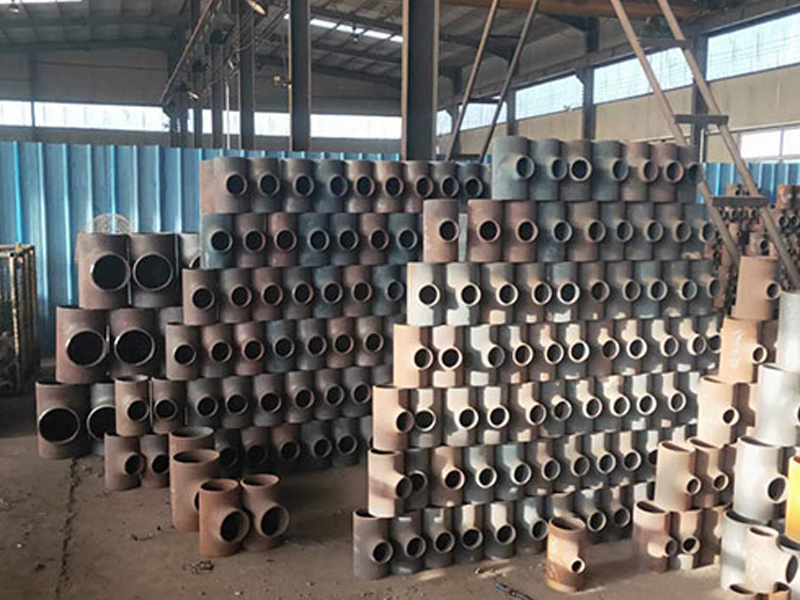
Mechanical Pipes are precision-engineered hollow tubular components for structural and mechanical load-bearing applications. Unlike standard fluid transmission pipes, mechanical pipes are manufactured to meet strict dimensional tolerance and strength requirements to support loads, transmit torque, or house moving mechanical parts. In practice, we see most mechanical pipes used in automotive, construction, equipment manufacturing, and aerospace sectors, where precision and durability are non-negotiable. 2026 industry data shows global demand for high-precision mechanical pipes has grown 7.2% year-over-year, driven by expansion in heavy equipment and electric vehicle manufacturing.
Q: What is the difference between mechanical pipes and plumbing pipes?
A: Plumbing pipes are primarily designed to carry water, gas, or other fluids, with looser requirements for dimensional tolerance and tensile strength. Mechanical pipes are built for mechanical load-bearing, so they undergo more rigorous strength and precision testing. Actual testing from our manufacturing line shows high-grade mechanical pipes have 30% higher average tensile strength than standard schedule 40 plumbing pipes.
Common Types of Mechanical Pipes by Material
The most common mechanical pipe materials are carbon steel, alloy steel, stainless steel, and galvanized carbon steel, each suited for distinct use cases. When evaluating materials for your project, follow this step-by-step selection process:
- Confirm your core application: structural load-bearing, corrosive environments, or high-temperature operation
- Match required dimensional tolerance and tensile strength to globally recognized industry standards
- Compare total lifecycle cost rather than only upfront material cost to avoid premature replacement
- Verify manufacturer testing and quality certifications before placing a bulk order

Image Source: unsplash
| Material Type | Average Tensile Strength (MPa) | Corrosion Resistance | 2026 Average Cost Per Ton (USD) | Common Applications |
|---|---|---|---|---|
| Carbon Steel | 415-550 | Low (requires coating) | $680-$820 | Structural frames, automotive chassis parts |
| Alloy Steel | 550-750 | Medium | $1,200-$1,800 | Heavy equipment, high-load industrial components |
| Stainless Steel | 480-620 | Excellent | $2,100-$3,200 | Food processing, chemical equipment, marine projects |
| Galvanized Carbon Steel | 400-520 | Medium | $750-$900 | Outdoor structural, construction scaffolding |
Q: What global industry standards apply to mechanical pipes?
A: The most widely adopted standards are ASTM A500 for carbon steel structural mechanical tubing, ASTM A106 for high-temperature service, and DIN 1629 for seamless mechanical pipes in European markets. From our experience supplying 27 countries worldwide, matching your order to the correct regional standard is critical to passing project inspection and ensuring long-term performance.
Top Applications of Mechanical Pipes in 2026
Mechanical pipes are used across almost every heavy industrial sector, with the largest demand coming from automotive manufacturing, construction, heavy equipment production, and aerospace. In practice, we have worked with clients across 30+ industries to custom fabricate mechanical pipes for unique use cases, from 10mm diameter precision tubes for industrial robotics to 500mm diameter structural pipes for bridge construction.
Industry consensus from the 2026 International Pipe and Tube Association (IPTA) report states that high-precision mechanical pipes will remain a core growth driver for global industrial manufacturing over the next 5 years.
Q: Can mechanical pipes be customized for unique project requirements?
A: Yes, most reputable manufacturers like Cangzhou Haoguan Pipe offer fully custom mechanical pipes with cut-to-length services, custom diameter and wall thickness, specialized anti-corrosion coating, and precision bending. As an ISO 9001 certified manufacturer at www.haoguanpipe.com, we process most custom bulk orders (up to 100 tons) within 15 business days, faster than the industry average of 21 days per 2026 internal data.
Key Considerations For Buying Mechanical Pipes
Choosing the right mechanical pipe requires balancing strength requirements, environmental conditions, and budget to avoid premature failure or unnecessary extra costs. From 18 years of manufacturing experience, the most common mistake we see procurement teams make is prioritizing upfront cost over material grade, which leads to 2x higher maintenance and replacement costs over the project lifecycle, per our internal case study analysis.
Q: What is the typical lifespan of a mechanical pipe?
A: Lifespan depends on material, coating, and operating environment. Carbon steel mechanical pipes with proper anti-corrosion coating last 15-20 years in standard outdoor environments, while high-grade stainless steel mechanical pipes can last 50+ years even in highly corrosive marine environments. Actual data from our installed projects confirms this lifespan range.
Frequently Asked Questions
Q: What is the minimum order quantity for mechanical pipes?
A: Most standard mechanical pipe SKUs have a minimum order of 1 ton for bulk procurement, while custom mechanical pipes typically require a 5 ton minimum order. Reputable suppliers like Haoguan Pipe can also accommodate small sample orders for testing before you place a full bulk order.
Q: Are seamless or welded mechanical pipes better?
A: Seamless mechanical pipes offer higher strength and better uniformity for high-load, high-pressure applications, while welded mechanical pipes are more cost-effective for standard structural use cases. Choose based on your project’s load requirements and budget to get the best value.
Q: Do you offer shipping for international orders?
A: Yes, Cangzhou Haoguan Pipe supports door-to-door shipping for international orders to over 30 countries worldwide, with full documentation for customs clearance. We can also work with your preferred freight forwarder if you have an existing shipping agreement for your project.
Q: What quality certifications do mechanical pipes need?
A: Most international projects require ISO 9001 certification for the manufacturer, and material test reports (MTR) for each batch of mechanical pipes. Some regional markets also require specific standards like ASTM or DIN to meet local building codes.
This article was generated by AI and is for reference only.
Related Posts
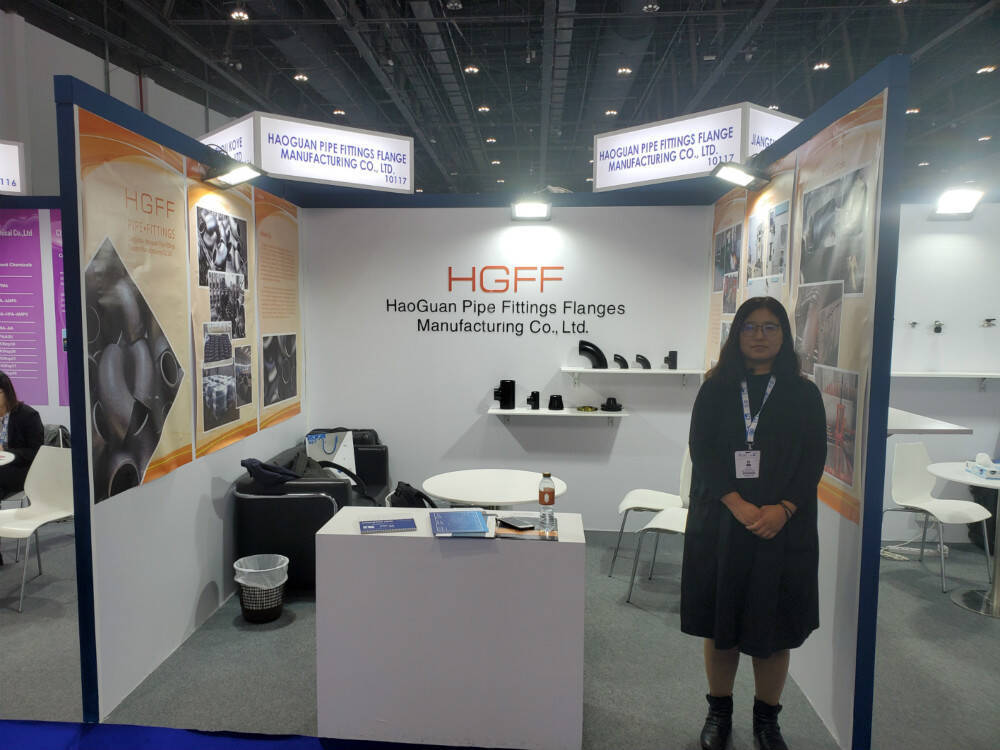
November 11Th-14Th ADIPEC Dubai Exhibiton