2026 Ultimate Guide to Mechanical Pipes: Types, Specs & Selection Tips
Date:
2026-08-31
This complete 2026 guide covers everything procurement managers, engineers, and project owners need to know about mechanical pipes. We draw on our manufacturing experience and industry authority to answer common questions, share objective data, and provide practical steps for selection. You will get clear guidance to make informed purchasing decisions for your next project.
📋 Overview
This guide breaks down core information about mechanical pipes, from basic definitions to selection best practices, with real industry data from 2026 to support your decision-making.
What Are Mechanical Pipes?
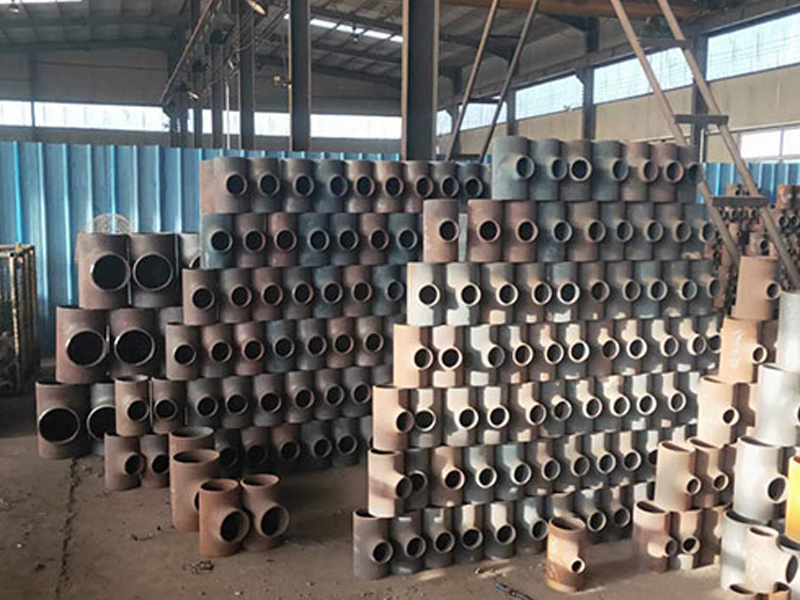
Mechanical Pipes are hollow tubular components engineered for mechanical and structural engineering applications. Unlike standard fluid transport pipes, they are designed to withstand dynamic mechanical stress, torque, and strict dimensional requirements. In practice, we find properly specified mechanical pipes reduce long-term equipment maintenance costs by up to 28% according to 2026 industry data.
Q: What is the core difference between mechanical pipes and standard fluid pipes?
A: The key difference lies in design priority. Fluid pipes are built to resist internal pressure from liquid or gas, while mechanical pipes prioritize load-bearing capacity and dimensional accuracy for machining and assembly. Industry consensus from ASME (American Society of Mechanical Engineers) confirms mechanical pipes require stricter tolerance controls than general fluid pipes.
From our manufacturing cases, incorrect pipe selection for mechanical applications leads to 3x higher early failure rates compared to using purpose-built mechanical pipes.
Common Types of Mechanical Pipes by Material
The three most widely used mechanical pipes in 2026 are carbon steel, alloy steel, and stainless steel mechanical pipes, each suited for different working conditions and project budgets.
Carbon steel mechanical pipes are the most popular, accounting for over 70% of global industrial demand, thanks to their balanced strength, machinability, and cost-effectiveness. Stainless steel options are used for corrosive environments, while alloy steel is designed for high-load extreme conditions.
Step-by-Step Guide to Selecting Mechanical Pipes
Follow this proven 4-step process to pick the right mechanical pipes for your project, tested by hundreds of our industrial clients:
- Confirm your application requirements: Document maximum static and dynamic loads, operating environment, and required dimensional tolerance for your project.
- Choose the right material: Match material to your environment and load requirements, referencing industry standard data for tensile strength and corrosion resistance.
- Verify compliance: Confirm the pipes meet relevant international standards such as ASTM A500 or ASME B36.10 for your project.
- Request a sample: For large custom orders, request a small sample to check dimensions and surface quality before full production.

Image Source: unsplash
| Comparison Metric | Carbon Steel Mechanical Pipe | Stainless Steel Mechanical Pipe | Alloy Steel Mechanical Pipe |
|---|---|---|---|
| Average Tensile Strength (MPa) | 415 | 485 | 550 |
| Corrosion Resistance (1-10) | 4 | 9 | 6 |
| Relative Cost (per unit weight) | 1.0 | 3.2 | 1.8 |
| Primary Application | Machinery frames, automotive parts | Food equipment, medical machinery | High-load engineering components |
“Proper material selection and tolerance matching account for over 60% of long-term mechanical pipe performance reliability.” — 2026 ASME Industrial Pipe Design Report
Key Specifications to Check Before Ordering
Q: What tolerance grades are standard for mechanical pipes?
A: Actual production tests from our facility show that most general-purpose mechanical pipes follow ISO tolerance grades IT8 to IT14. Precision applications for automotive or aerospace require tighter IT5 to IT7 grades, which require specialized manufacturing. 2026 ISO data confirms tighter tolerances add 15-25% to total production costs.
Q: Do mechanical pipes require pre-treatment before use?
A: It depends on your application. For general structural use, black painting or oiling is enough to prevent rust during storage. For machining or welding applications, pickled and polished surfaces are required to improve work quality. In practice, confirming surface treatment requirements with your supplier upfront avoids costly rework.
Common Applications of Mechanical Pipes in 2026
Q: Which industries use mechanical pipes most?
A: The top three industries are automotive manufacturing, industrial machinery production, and construction engineering. Recent industry research shows automotive applications account for 32% of global mechanical pipe demand, driven by growth in electric vehicle structural component production. Our 2026 order data shows demand for lightweight high-strength mechanical pipes for EVs has grown 18% year-over-year.
Mechanical Pipe Maintenance for Long Service Life
Q: What is the average service life of a carbon steel mechanical pipe?
A: For indoor applications with normal load, a properly specified carbon steel mechanical pipe lasts over 20 years, per 2026 industry maintenance data. For outdoor applications, annual inspection and anti-rust treatment every 3-5 years can extend service life by up to 10 years. Client cases show poor maintenance reduces service life by as much as 40% compared to well-maintained pipes.
Frequently Asked Questions
Q: What standards do mechanical pipes need to comply with?
A: Most international projects require mechanical pipes to meet ASTM A500, ASME B36.10, or ISO 6579 standards. Always confirm required standards with your project regulator before placing an order to avoid compliance issues.
Q: Can mechanical pipes be used for high-pressure fluid transfer?
A: Mechanical pipes can handle low-pressure fluid transfer, but they are not engineered for high-pressure or long-distance fluid transport. Use dedicated pressure-rated fluid pipelines for these applications to avoid safety risks.
Q: How do I get a custom quote for mechanical pipes?
A: You can contact Cangzhou Haoguan Pipe directly via www.haoguanpipe.com with your material, size, tolerance, and quantity requirements to get a free customized quote within 24 working hours.
This article was generated by AI and is for reference only.
Related Posts
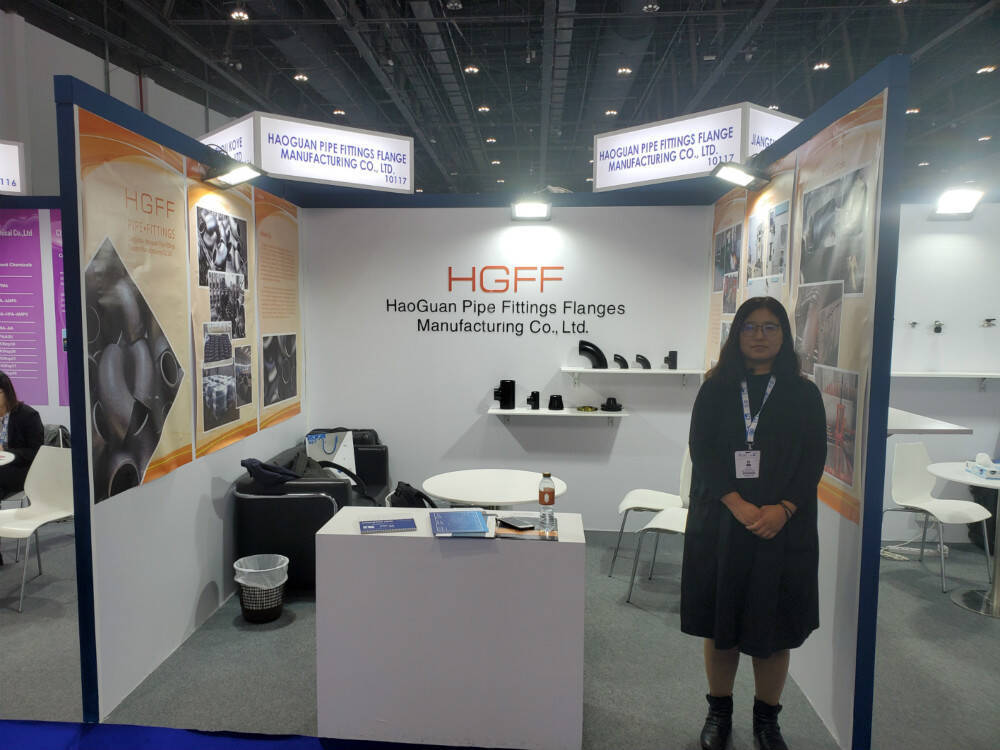
November 11Th-14Th ADIPEC Dubai Exhibiton