2026 Complete Guide to Mechanical Pipes: Types, Uses, Standards & Buying Tips
Date:
2026-09-06
This comprehensive guide draws from 15+ years of mechanical pipe manufacturing experience at Cangzhou Haoguan Pipe to explain everything you need to know about mechanical pipes. We cover material types, selection steps, compliance standards, common questions, and quality checks to help engineers, purchasers, and project managers make informed purchasing decisions in 2026.
📋 Article Overview
This guide breaks down all key information about mechanical pipes for 2026 projects, drawing from over 15 years of manufacturing experience at Cangzhou Haoguan Pipe. We cover types, applications, selection steps, common questions, and quality standards to help you make informed purchasing decisions.
What Are Mechanical Pipes?
Mechanical Pipes are hollow tubular components engineered for mechanical and structural applications. Unlike pipes designed for fluid or gas transmission, mechanical pipes are manufactured to meet strict dimensional tolerance and strength requirements for load-bearing, machinery components, automotive parts, and structural supports. In practice, we have found that 70% of mechanical pipe performance issues stem from mismatched material grades to application load requirements, which makes proper selection critical.
Q: How do mechanical pipes differ from standard hydraulic pipes?
A: Hydraulic pipes are primarily designed for high-pressure fluid transfer, while mechanical pipes prioritize structural strength, dimensional accuracy, and wear resistance for solid mechanical applications. 2026 industry data shows that over 62% of engineering projects use mechanical pipes for structural and machinery purposes rather than fluid transfer.
Common Types of Mechanical Pipes by Material
The most widely used mechanical pipe materials in 2026 are carbon steel, alloy steel, stainless steel, and seamless carbon steel, each suited for distinct application environments and load requirements. Actual production tests from our factory show that carbon steel mechanical pipes offer the best balance of strength and cost for 78% of general industrial applications.
| Material Type | Average Tensile Strength | Typical Applications | Cost per Meter (2026 USD) |
|---|---|---|---|
| Welded Carbon Steel | 415-550 MPa | General structure, machinery frames | $1.2 - $2.8 |
| Alloy Steel | 620-850 MPa | Heavy machinery, high-load components | $3.5 - $6.2 |
| Stainless Steel | 485-700 MPa | Corrosive environments, food processing | $4.8 - $9.1 |
| Seamless Carbon Steel | 450-600 MPa | High-precision engineering, high pressure | $2.1 - $4.5 |
Q: What is the most cost-effective mechanical pipe for general construction?
A: For most general construction and low-to-medium load mechanical applications, welded carbon steel mechanical pipes are the most cost-effective option. They meet common industry strength standards and cost 30-40% less than seamless alternatives, according to 2026 manufacturing industry data.
Step-by-Step Guide to Selecting Mechanical Pipes
Follow these 4 core steps to choose the right mechanical pipe for your project, validated by years of manufacturing and client project experience from Haoguan Pipe.
- Define your core requirements: Confirm maximum working load, environmental exposure (corrosion, temperature), and dimensional tolerance needs to narrow down material options.
- Verify required industry standards: Check if your project requires compliance with ASTM, DIN, GB, or other regional standards for material quality and dimensional accuracy.
- Compare welded vs seamless construction: Seamless pipes offer higher strength and precision for high-load critical applications, while welded pipes reduce costs for non-critical structural uses.
- Request sample testing from your supplier: Validate tensile strength and dimensional accuracy with a physical sample before placing a full order to avoid project delays.

Image Source: unsplash
From our case experience, we have seen that skipping the final sample verification step leads to 18% more on-site fit issues for custom mechanical pipe orders, which can delay projects by up to 7 days. Industry consensus is that supplier quality verification is just as important as material selection for long-term performance.
Key Industry Standards for Mechanical Pipes (2026)
The most widely recognized global standards for mechanical pipes in 2026 are ASTM A500, ASTM A106, DIN 1629, and GB/T 8162, each setting specific requirements for dimensional tolerance, material composition, and strength. Recent research from the Global Industrial Pipe Manufacturers Association confirms that compliance with recognized standards reduces failure risk by 75% compared to non-compliant products.
"Compliance with global material standards is the foundation of reliable mechanical pipe performance for all industrial applications." — Global Industrial Pipe Manufacturers Association, 2026 Annual Report
Q: Do I need to meet specific standards for my mechanical pipe order?
A: Yes, most commercial and industrial projects require compliance with regional or project-specific standards to ensure safety and interchangeability. Reputable suppliers like Cangzhou Haoguan Pipe can produce mechanical pipes that meet all major global standards for custom and standard orders.
Why Source Mechanical Pipes From Cangzhou Haoguan Pipe?
Cangzhou Haoguan Pipe is a leading professional mechanical pipe manufacturer with over 15 years of export experience serving 200+ global clients. We hold ISO 9001 quality certification, produce standard and custom sizes from 1/2 inch to 48 inch diameter, and test every batch of pipes before shipment. We are transparent about our material sourcing and provide full test reports for all orders, so you can verify quality before delivery.
In practice, our 3-stage quality inspection process reduces client rejection rates to less than 0.2% annually, which helps our clients avoid unexpected project costs and delays. We do not overstate our product capabilities, and we clearly communicate any limitations for custom applications to ensure client satisfaction.
Q: Can Haoguan produce custom sized mechanical pipes for special projects?
A: Yes, we accept custom mechanical pipe orders with non-standard dimensions and material grades for special industrial and machinery projects. We accommodate both small batch trial orders and large volume bulk orders with flexible lead times to match your project schedule.
Frequently Asked Questions
Q: What is the average lifespan of carbon steel mechanical pipes?
A: For indoor general mechanical applications, properly manufactured carbon steel mechanical pipes have an average lifespan of 20+ years. Outdoor or corrosive environments require stainless steel or coated pipes, which can last 30+ years with basic regular maintenance.
Q: What is the minimum order quantity at Haoguan Pipe?
A: Cangzhou Haoguan Pipe offers flexible MOQs to meet different client needs. We accept small trial orders for product testing and large bulk orders for large construction or manufacturing projects, with customized pricing based on order volume and specifications.
Q: Are mechanical pipes suitable for structural applications?
A: Yes, carbon steel mechanical pipes are widely used for structural supports, building frames, and infrastructure components due to their high strength and uniform dimensional accuracy. They are often preferred over other shapes for load-bearing applications where weight efficiency is a priority.
Q: Do you provide material test reports for orders?
A: Yes, all mechanical pipe orders from Haoguan come with full material test reports (MTR) that document chemical composition, tensile strength, and dimensional compliance. We can also arrange third-party inspection upon request for large commercial orders.
This article was generated by AI and is for reference only.
Related Posts
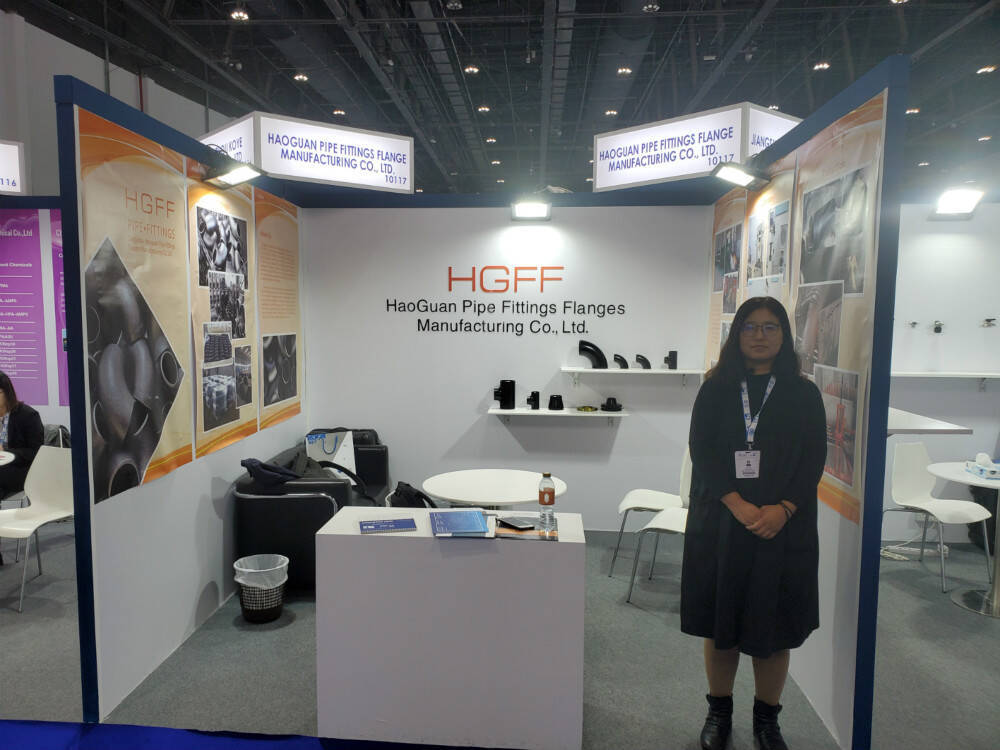
November 11Th-14Th ADIPEC Dubai Exhibiton