Understanding Flanges: Common Questions Answered
Date:
2026-02-25
Explore common questions about flanges, their types, uses, and troubleshooting tips.

Image Source: unsplash
What Are Flanges?
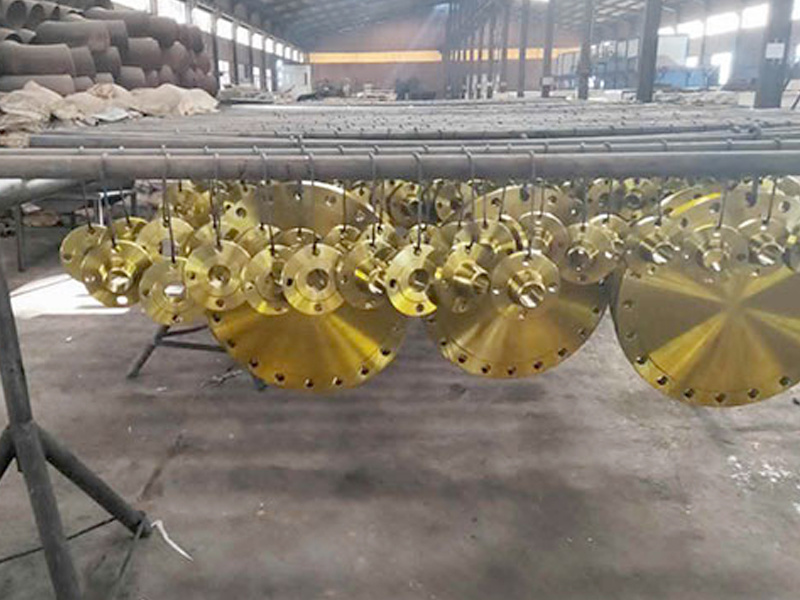
Flanges are mechanical components that serve as connectors between two pipes or fittings. They come in various shapes and sizes, providing a reliable way to create a tight seal. You might find them in everything from plumbing to industrial applications. So, what's the big deal? Well, they help maintain pressure and prevent leaks, which is critical in many systems!
Types of Flanges
There's a whole slew of flange types out there, and each has its own unique purpose. Let's break it down:
- Weld Neck Flanges: These are often used in high-pressure applications. They have a long neck that allows for a smooth transition from the pipe to the flange.
- Slip-On Flanges: Easy to install, these flanges slip over the pipe before being welded. They're a popular choice for lower-pressure systems.
- Blind Flanges: Used to seal the end of a pipe, blind flanges are crucial for maintenance and testing.
- Socket Weld Flanges: These flanges are ideal for small-diameter pipes, providing a strong joint and minimizing turbulence.
Why Are Flanges Important?
Flanges play a pivotal role in any piping system. They not only provide a way to connect different sections but also make it easier to disassemble parts for maintenance. Imagine trying to replace a pipe without a connector—what a hassle! With flanges, you can save time and effort.
Common Questions About Flanges
Now, let's tackle some of those burning questions you might have!
1. How Do I Choose the Right Flange?
Choosing the right flange boils down to a few key factors: the material of the pipes, the pressure and temperature of the system, and the specific application. If in doubt, consult a professional!
2. Can Flanges Be Reused?
Generally, it's best to use new flanges each time for a secure fit. However, if they're undamaged and still fit properly, you might get away with reusing them. Just make sure to check for any signs of wear.
3. How Do I Install Flanges?
Installing flanges isn't rocket science, but it does require some care. Start by cleaning the surfaces to ensure a good seal, align them properly, and then tighten the bolts evenly to avoid leaks. Always refer to manufacturer guidelines when in doubt.
Troubleshooting Flange Issues
Even the best systems can run into trouble. Here are a few common issues and how to tackle them:
- Leakage: If you notice a leak, check the tightness of the bolts first. If that doesn't work, you may need to replace the gasket.
- Corrosion: Regularly inspect your flanges for signs of corrosion, especially in harsh environments. A little maintenance goes a long way!
- Misalignment: Misaligned flanges can cause serious issues. If you notice any problems, realign them carefully to restore functionality.
Conclusion
Flanges may seem like a small part of a larger system, but they're crucial for ensuring everything runs smoothly. By understanding their types, purposes, and common issues, you can tackle any project with confidence. So next time you're working on a piping system, don't overlook those flanges—they're your unsung heroes!
Related Posts

November 11Th-14Th ADIPEC Dubai Exhibiton