Exploring the Dynamic World of Flanges in Industry
Date:
2026-02-22
Dive into the latest trends and insights about flanges in various industries.

Image Source: unsplash
Introduction to Flanges
When it comes to industrial connections, flanges are the unsung heroes. These handy components are vital in various sectors, from oil and gas to water treatment. But what exactly are flanges, and why are they so crucial? Well, let's dive into the nitty-gritty!
Understanding Flanges
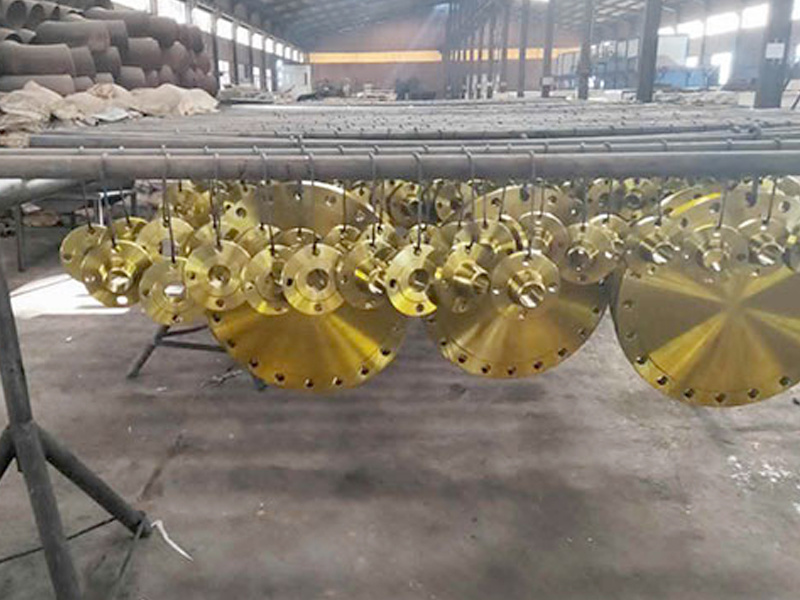
At their core, flanges are flat pieces of metal with holes for bolts and are used to connect pipes, valves, and other equipment. Think of them as the handshake of the industrial world—solid, reliable, and essential for making connections! They come in various shapes and sizes, enabling the construction of secure joints that can withstand pressure and temperature variations.
The Many Types of Flanges
Now, let's talk types! Flanges aren't a one-size-fits-all kind of deal. Each type serves a unique purpose:
- Weld Neck Flanges: Perfect for high-pressure situations, these flanges are welded to the pipe.
- Slip-On Flanges: Easy to use, they slip over the pipe and are perfect for lower-pressure scenarios.
- Blind Flanges: These babies seal the end of a piping system, preventing leaks.
- Screwed Flanges: Ideal for temporary setups, they screw onto the pipe without welding.
Industry Trends and Innovations
As industries evolve, so do flanges. Manufacturers are constantly innovating, leading to lighter materials and enhanced durability. For instance, the rise of composite materials in flange manufacturing is making waves. These materials are not only lighter but also resistant to corrosion, making them a top pick for modern applications.
Moreover, as sustainability becomes a priority, eco-friendly manufacturing processes are on the rise. Companies are now focusing on reducing waste and energy consumption, ensuring that the production of flanges aligns with green practices.
The Importance of Quality Control
In a world where safety is paramount, quality control in flange production is essential. Manufacturers are adopting stringent testing protocols to ensure that each flange meets industry standards. From pressure tests to material inspections, every step is crucial in delivering reliable products.
Conclusion: The Future of Flanges
As we look ahead, the future of flanges appears bright. With ongoing advancements in materials science and manufacturing processes, we can expect to see even more robust and efficient designs. Flanges may be small components, but their impact on the industry is undeniable. So, whether you're an engineer, a manufacturer, or simply intrigued by the industrial world, keep an eye on flanges—they're shaping the future!
Related Posts

November 11Th-14Th ADIPEC Dubai Exhibiton