Exploring the World of Flanges in Various Industries
Date:
2026-02-28
Dive into the fascinating applications and types of flanges across different sectors.

Image Source: unsplash
Understanding Flanges
Flanges, those essential components often found in piping systems, play a pivotal role in connecting pipes, valves, and equipment. They come in various shapes and sizes, ensuring that everything fits snugly and operates smoothly. But what exactly are flanges, and why are they so vital?
What Are Flanges?
Simply put, flanges are flat pieces of material with holes that allow them to be bolted to another piece. They can be made from numerous materials, including metal, plastic, and even rubber, depending on their intended use. The beauty of flanges lies in their versatility; they can be used in a myriad of applications, from plumbing to aerospace.
Flanges in Different Industries
Let's take a closer look at how various industries utilize flanges:
1. Oil and Gas
In the oil and gas sector, flanges are crucial for ensuring safe and secure connections between pipelines. They must withstand high pressure and extreme temperatures, which is why you'll often find them made from durable materials like stainless steel or carbon steel. The wrong flange can lead to leaks, which can be disastrous.
2. Water Treatment
Water treatment plants rely heavily on flanges to connect various sections of their systems. They help in transporting clean water and ensuring the integrity of the system. Flanges in this industry are designed to prevent leaks and ensure that treated water remains uncontaminated.
3. Manufacturing
In the manufacturing sector, flanges are used in machinery and equipment to facilitate assembly and disassembly. They make maintenance a breeze! Without flanges, it would be a real hassle to replace or repair components.
Types of Flanges
Not all flanges are created equal, and understanding the different types can help you choose the right one for your project.
1. Weld Neck Flanges
These flanges are designed to be welded to pipes, creating a strong connection. They are ideal for high-pressure applications, making them a go-to choice in industries like oil and gas.
2. Slip-On Flanges
As the name suggests, slip-on flanges slide over the pipe end. They're easier to install than weld neck flanges and are perfect for low-pressure applications.
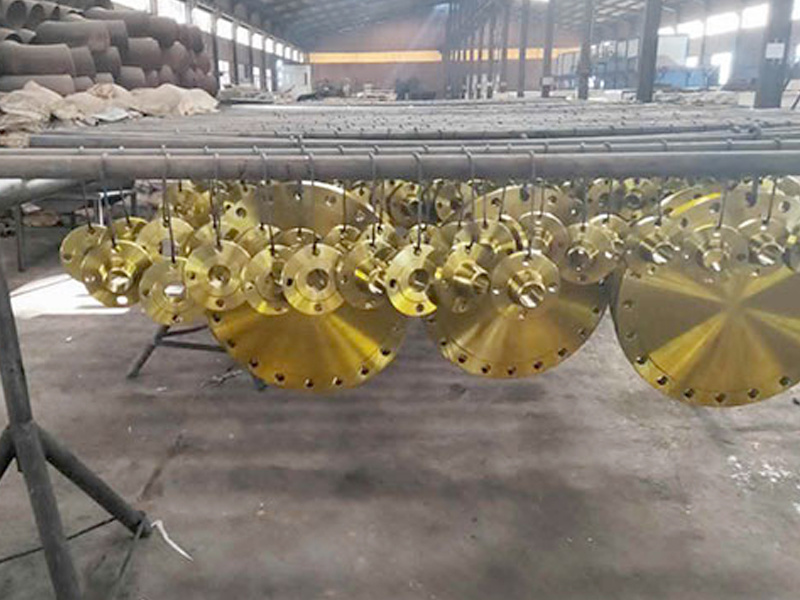
3. Blind Flanges
Blind flanges are used to seal off a piping system. They're essential when you need to close off a line for maintenance or inspection.
Choosing the Right Flange
So, how do you pick the right flange for your needs? Consider the following:
- Material: The material must be compatible with the fluid or gas being transported.
- Pressure Rating: Ensure that the flange can handle the pressure requirements of your system.
- Temperature Resistance: Depending on the environment, choose a flange that can withstand the temperature.
Conclusion: The Unsung Heroes of Engineering
Flanges might not be the most glamorous components in engineering, but they certainly are among the most important. They ensure systems run smoothly, safely, and efficiently. So, the next time you encounter flanges in your work or daily life, take a moment to appreciate their vital role!
Related Posts

November 11Th-14Th ADIPEC Dubai Exhibiton