Understanding Flanges: The Unsung Heroes of Engineering
Date:
2026-02-13
Dive into the world of flanges, essential components in piping systems, and learn their types, uses, and benefits.

Image Source: unsplash
What Are Flanges?
Flanges, often overlooked, are pivotal in the realm of piping and engineering. They serve as connection points, allowing various components to be joined securely. Imagine a puzzle where each piece is a segment of a pipeline; flanges are the connectors that hold everything together, ensuring that there are no leaks and that systems operate smoothly.
Types of Flanges
There's a plethora of flange types out there, each tailored for specific applications. Some of the most common include:
- Weld Neck Flanges: These are designed to be welded to the pipe, providing strong support in high-pressure situations.
- Slip-On Flanges: Easy to install, these flanges slip over the pipe and are then welded in place—perfect for low-pressure applications.
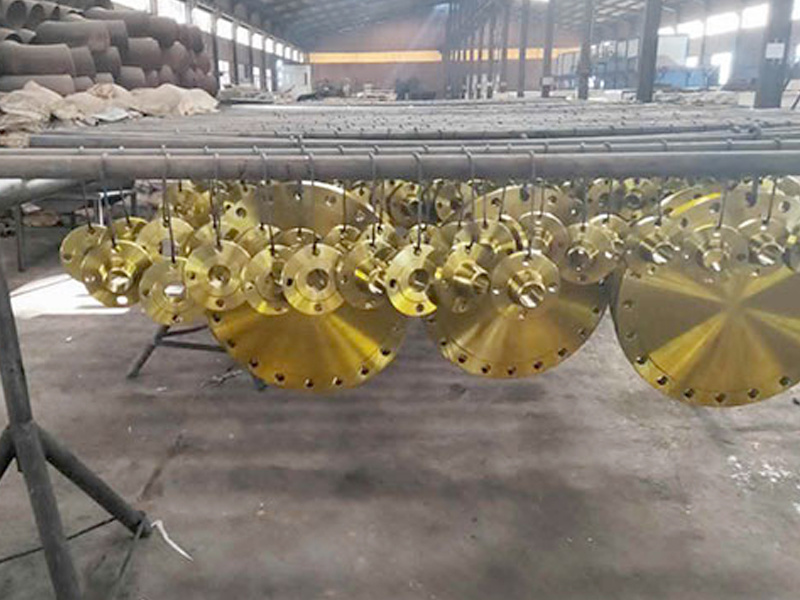
- Blind Flanges: As the name suggests, these flanges don't have a hole in the center. They are used to seal the end of a piping system, preventing any fluid from escaping.
- Socket Weld Flanges: These flanges are inserted into the pipe and then welded, ideal for smaller diameter pipes.
The Importance of Flanges in Various Industries
Flanges play crucial roles across different sectors. In the oil and gas industry, for example, they ensure that pipelines remain intact under extreme conditions. In the water treatment sector, they facilitate easy maintenance and repair of piping systems.
Moreover, flanges are vital in construction and manufacturing—think of them as the backbone of infrastructure! Without flanges, many systems would be prone to failure, leading to costly repairs and potential hazards.
Material Matters
The material used in flanges is just as important as their type. Common materials include:
- Carbon Steel: Known for its strength and durability, it's a go-to choice for many applications.
- Stainless Steel: Resistant to corrosion, making it perfect for environments where moisture is prevalent.
- Plastic: Used mainly in chemical applications, plastic flanges resist corrosive substances.
Installation Tips
Getting the installation right is key to ensuring that your flanges perform well. Here are some handy tips:
- Always ensure the surfaces are clean and free of debris.
- Use the right gasket material to prevent leaks.
- Follow the manufacturer's specifications for torque settings when tightening bolts.
Wrapping It Up
In conclusion, flanges might not be the star of the show, but they are undoubtedly the unsung heroes in many engineering feats. From ensuring the safety of pipelines to supporting complex systems, their significance cannot be overstated. So, the next time you come across a piping system, take a moment to appreciate the flanges that hold it all together!
Related Posts

November 11Th-14Th ADIPEC Dubai Exhibiton