Understanding Flanges: The Unsung Heroes of Engineering
Date:
2026-02-10
Dive into the world of flanges, their types, uses, and importance in engineering and construction.

Image Source: unsplash
What Are Flanges?
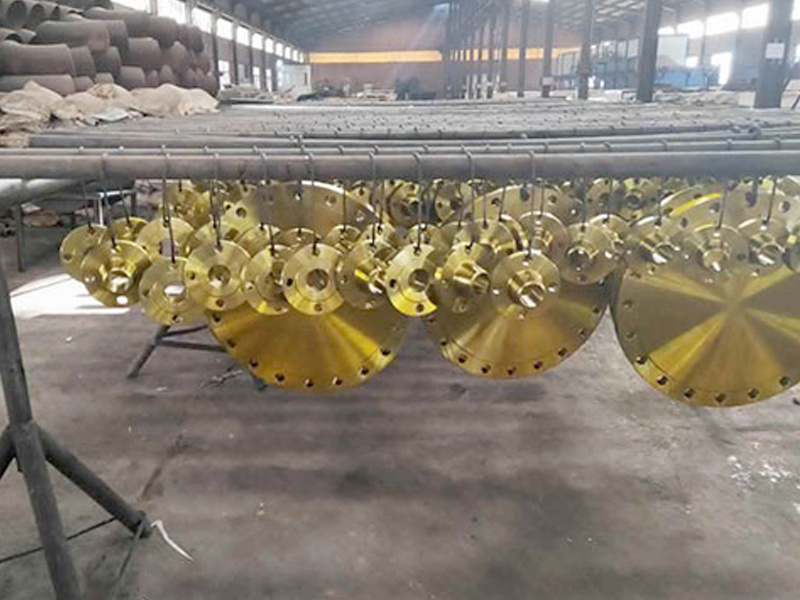
Flanges, often overlooked yet crucial, are components used to connect pipes, valves, pumps, and other equipment in various piping systems. They create a secure seal, ensuring that fluids flow smoothly without leaks. If you've ever seen a pipe fitting, you've likely encountered a flange without even realizing it!
Types of Flanges
There are several types of flanges, each with its own specific application and design. Here's a quick rundown:
- Weld Neck Flanges: Designed for high-pressure applications, these flanges are welded to the pipe, providing excellent strength.
- Slip-On Flanges: Easy to install, these flanges slip over the pipe and are then welded in place. Perfect for lower pressure applications.
- Blind Flanges: Used to seal the end of a piping system, they provide a tight closure for maintenance needs.
- Threaded Flanges: Featuring internal threads, these flanges screw onto the pipe, making them easy to install without welding.
Applications of Flanges
Flanges play a vital role in various industries, including:
- Oil and Gas: Used extensively in pipelines for transporting oil and gas.
- Water Treatment: Essential for connecting pipes in treatment plants.
- Construction: Used in structural applications, providing support and connection points.
Why Are Flanges Important?
Imagine a world without flanges—sounds chaotic, right? These simple yet effective devices help maintain pressure, prevent leaks, and ensure the safety of various systems. They're the unsung heroes that keep everything flowing smoothly.
Material Matters
Flanges come in different materials, including:
- Steel: Commonly used for its strength and durability.
- Plastic: Ideal for less demanding environments where corrosion is a concern.
- Stainless Steel: Perfect for high-corrosion applications, offering longevity and resistance.
Installation and Maintenance Tips
Installing flanges may seem straightforward, but there are a few tricks to ensure everything goes off without a hitch:
- Clean Surfaces: Always clean the mating surfaces before installation to prevent leaks.
- Torque Specifications: Follow the recommended torque values to avoid over-tightening or under-tightening.
- Regular Inspections: Regularly check for signs of wear or leaks to ensure longevity.
Conclusion: The Takeaway
So, there you have it! Flanges may not be the flashiest component in engineering, but they are essential in ensuring that systems function correctly. Next time you encounter a flange, give it a nod of appreciation for the vital role it plays in our daily lives!
Related Posts

November 11Th-14Th ADIPEC Dubai Exhibiton