Understanding the Functionality of Flanges
Date:
2026-02-16
Explore the essential role and mechanics of flanges in piping systems.

Image Source: unsplash
Introduction to Flanges
When it comes to piping systems, one might wonder how all those pipes come together so seamlessly. The answer often lies in the unsung heroes of the piping world: flanges! These circular plates, often made of metal, play a pivotal role in connecting pipes, valves, and other equipment. So, let's dive into the fascinating world of flanges and explore their functionality, shall we?
What Are Flanges?
Flanges are essentially mechanical components that provide a means to connect two sections of pipe or to attach a pipe to a valve or other equipment. They come in various shapes and sizes, each designed to meet specific pressures and applications. Think of them as the glue that keeps everything together while allowing for easy disassembly when needed.
Types of Flanges
There's quite a variety when it comes to flanges! Here are a few common types:
- Weld Neck Flanges: These have a long neck that allows for a smooth transition from the flange to the pipe, making them ideal for high-pressure applications.
- Slip-On Flanges: As the name suggests, these slip over the pipe, making installation straightforward.
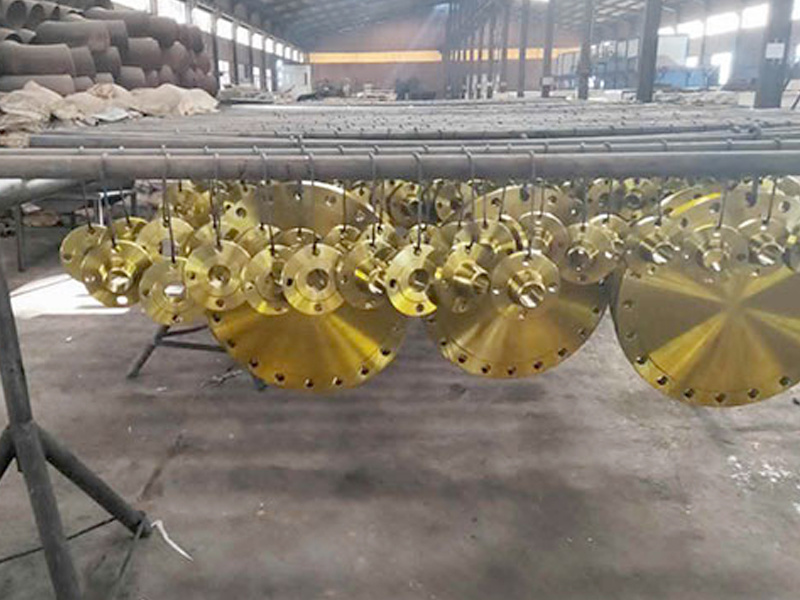
- Blind Flanges: Used to seal the end of a pipe, these flanges are crucial for maintenance and inspection.
How Do Flanges Work?
Now that we know what flanges are, let's chat about how they function. Flanges create a tight seal through the use of gaskets, which are placed between the flange faces. When the bolts are tightened, the gaskets compress, forming a leak-proof connection. This is where the real magic happens!
The Importance of Flanges in Piping Systems
Flanges are critical for several reasons:
- Ease of Maintenance: Because of their design, flanges allow for quick disassembly, making maintenance a breeze.
- Versatility: They can accommodate various pipe sizes and materials, making them suitable for different applications.
- Pressure Management: Flanges can withstand significant pressure, ensuring the integrity of the piping system.
Choosing the Right Flange
When selecting a flange, one must consider the application's specific requirements, including pressure ratings, material compatibility, and environmental conditions. Always remember: choosing the right flange can save you time and money in the long run!
Conclusion
In summary, flanges are integral components of piping systems, ensuring connections are secure and maintenance is manageable. Understanding their functionality can greatly enhance your approach to plumbing and engineering projects. So, next time you see a flange, give it a nod of appreciation for the essential role it plays!
Related Posts

November 11Th-14Th ADIPEC Dubai Exhibiton