Flanges: The Unsung Heroes of Engineering
Date:
2025-10-16
Discover essential tips and considerations for working with flanges in engineering applications.
Introduction: What Are Flanges?
When you think about engineering, do flanges pop into your mind? Probably not! But these little components play a huge role in a variety of industries. They're crucial for connecting pipes, valves, and other equipment. So, what exactly are flanges, and why should you care? Let's dive in!
A Quick Overview
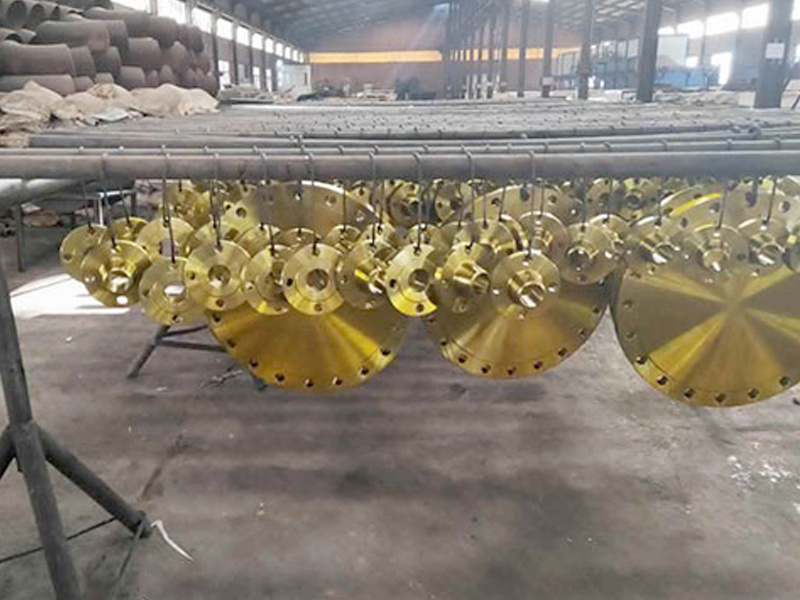
Flanges are essentially flat pieces of metal, often shaped like a disc with holes for bolts. They allow for easy assembly and disassembly of piping systems, making repairs, and maintenance a breeze. Interesting, right?
Types of Flanges
Now, you might be wondering, "How many types of flanges are there?" Well, my friend, the answer is: quite a few! From slip-on flanges to weld neck flanges, each type has its unique purpose:
- Slip-On Flanges: Easy to install, they slip over the pipe ends.
- Weld Neck Flanges: These babies are designed for high-pressure applications.
- Blind Flanges: No holes here! They're used to seal off piping systems.
- Threaded Flanges: Perfect for low-pressure applications, they screw onto the pipe.
Considerations When Choosing Flanges
Alright, let's get down to brass tacks. If you're in the market for flanges, there are several key points to keep in mind:
1. Material Matters
Flanges come in various materials, including stainless steel, carbon steel, and plastic. The material you choose should depend on the application, temperature, and pressure requirements. Stainless steel is often favored for its durability, while plastic flanges are great for corrosive environments.
2. Pressure Ratings
Flanges are rated for specific pressure levels. Make sure to select flanges that can handle the pressure in your piping system. A mismatch can lead to leaks or even catastrophic failures!
3. Size Matters
It's crucial to get the size right! Measure twice, buy once, as they say. Incorrect sizing can complicate installation and lead to performance issues down the line.
Installation Tips
So, you've chosen your flanges. What's next? Here are some handy tips for installation:
- Clean the Surfaces: Ensure that both flange surfaces are clean and free of debris.
- Use Gaskets: Gaskets help create a reliable seal, preventing leaks.
- Tighten Properly: Use a torque wrench to avoid over-tightening, which can warp the flanges.
Maintenance: Keep 'Em in Shape!
Once installed, flanges require a bit of TLC. Regular inspections can help catch any issues before they become big problems. Look for signs of wear or leaks, and don't hesitate to replace parts as needed. Remember, an ounce of prevention is worth a pound of cure!
Conclusion: Flanges Are More Important Than You Think!
Next time you're in a facility or working on a project, take a moment to appreciate those unsung heroes—flanges! They might be small, but their impact on safety and efficiency is monumental. So, whether you're a seasoned engineer or just starting, remember these tips, and you'll be on your way to mastering the world of flanges!
Related Posts

November 11Th-14Th ADIPEC Dubai Exhibiton