Understanding Flanges: Common Questions Answered
Date:
2025-10-17
Dive into the world of flanges and discover answers to common questions about their types, uses, and maintenance.
What Are Flanges?
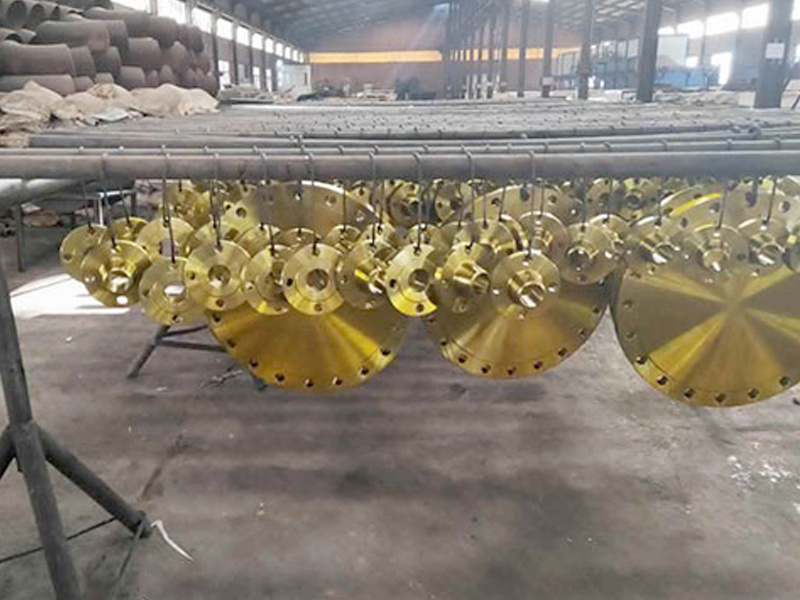
Flanges are like the unsung heroes of piping systems. These circular pieces of metal, usually outfitted with holes, are essential for connecting pipes, valves, and other equipment. Think of them as the connectors that hold everything together, ensuring a tight seal and structural integrity. They come in various shapes and sizes, tailored for specific applications. Whether you're a seasoned engineer or a DIY enthusiast, understanding flanges can be a game-changer!
Types of Flanges: Which One Do You Need?
Now, you might be wondering, "What types of flanges are out there?" Well, let's break it down:
- Weld Neck Flanges: These flanges are designed for high-pressure applications. Welded to the pipe, they create a strong joint that can withstand extreme conditions.
- Slip-On Flanges: Easy to install, these flanges slip over the end of a pipe. They're particularly handy for low-pressure applications.
- Blind Flanges: No holes here! These flanges are used to seal off the end of a piping system. Perfect for when you want to cap things off.
- Threaded Flanges: Featuring threads on the inner diameter, these flanges screw onto the pipe. They're great for quick installations.
Common Questions About Flanges
Alright, let's tackle some common questions folks have about flanges. Ready? Here we go!
1. How Do I Choose the Right Flange?
Choosing the right flange isn't rocket science, but there are a few factors to consider. Start by looking at the pressure and temperature of your system. Next, think about the materials—are you working with stainless steel, carbon, or something else? Finally, consider the type of connection you need. It's all about matching the flange to the job!
2. Are Flanges Interchangeable?
In some cases, yes! But it really depends on the size, pressure rating, and material. Always double-check compatibility before making any changes. Mixing and matching can lead to leaks and failures, which is a big no-no.
3. How Do I Maintain Flanges?
Maintenance is key to keeping your piping system in tip-top shape. Regularly inspect flanges for signs of wear and tear, such as rust or cracks. Don't forget to check the bolts—loose bolts can lead to leaks faster than you can say "flange!"
4. What Are the Common Applications of Flanges?
Flanges are everywhere! From water supply systems to oil and gas pipelines, they play a vital role. You'll find them in:
- Industrial plants
- HVAC systems
- Marine applications
- Food and beverage processing
In Conclusion
So there you have it! Flanges might seem simple, but they're a crucial part of any piping system. Whether you're installing new pipes or troubleshooting existing ones, knowing about flanges can save you time, money, and headaches. So, the next time you hear the word "flange," you'll know it's more than just a piece of metal—it's a vital connection in your system!
Related Posts

November 11Th-14Th ADIPEC Dubai Exhibiton