Exploring the Versatile Applications of Flanges in Modern Industries
Date:
2025-10-15
Discover the diverse applications of flanges in various industries and how they play a crucial role in engineering.
Introduction: What Are Flanges?
Flanges, those often-overlooked components of piping systems, are essential players in the world of engineering and construction. They're like the unsung heroes of structural integrity, connecting pipes, valves, pumps, and other equipment to create a seamless flow system. But what exactly are flanges, and why do they matter? Let's dive in!
The Basics of Flanges
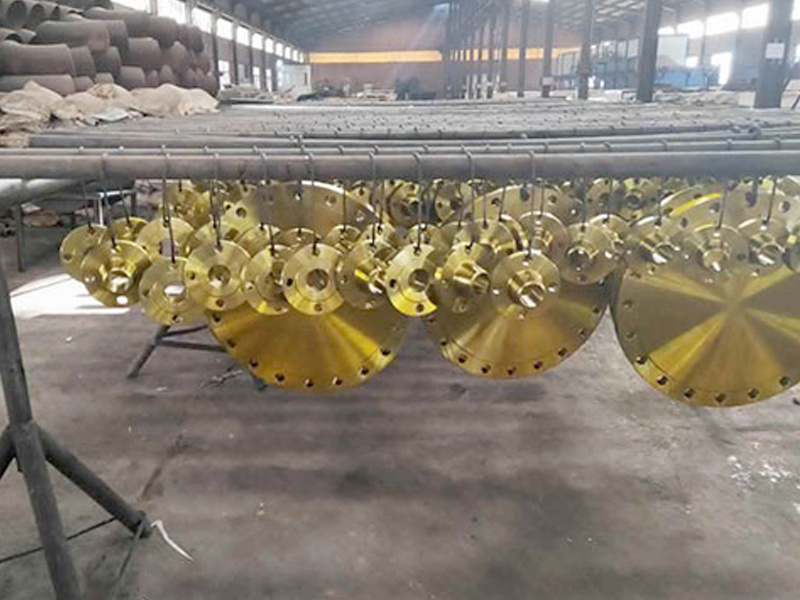
At their core, flanges are flat pieces of metal, plastic, or other materials, equipped with holes that allow them to be bolted together. They come in various shapes and sizes, tailored to fit specific applications. Think of them as the connectors in a Lego set; without the right pieces, the entire structure can crumble.
Where Do We See Flanges?
Flanges are everywhere! From oil rigs in the ocean to the heating systems in our homes, they play a crucial role in many industries. Here are some prime applications:
1. Oil and Gas Industry
In the oil and gas sector, flanges are used extensively for pipelines, connecting various segments to ensure the safe transport of crude oil and natural gas. Given the high pressure and extreme conditions in these environments, flanges must be robust and reliable—no room for leaks!
2. Water Supply and Wastewater Treatment
Flanges are critical in municipal water systems and wastewater treatment plants. They help to connect pipes, valves, and filters, ensuring efficient water flow and management. Their ability to withstand corrosion and other wear and tear makes them indispensable in these applications.
3. Chemical Processing
In chemical processing industries, flanges are vital for connecting reactors, distillation columns, and other equipment. The materials used for these flanges must be able to handle aggressive chemicals and high temperatures, making the right choice essential for safety and efficiency.
Types of Flanges
Now, let's not get ahead of ourselves! There are different types of flanges, each suited for specific tasks:
- Weld Neck Flanges: These flanges are often used in high-pressure applications. They provide a strong connection due to their tapered neck that can be welded to the pipe.
- Slip-On Flanges: These are easier to install because they simply slip over the pipe. Great for low-pressure applications!
- Blind Flanges: As the name suggests, these flanges do not have a hole for a pipe. They are used to seal off the end of a piping system—very handy!
Key Considerations When Choosing Flanges
So, you might be wondering: how do you pick the right flange for your project? Here are a couple of pointers:
- Material: The material must be compatible with the substances being transported. For example, stainless steel flanges are great for corrosive environments.
- Pressure Rating: Be sure to check the pressure rating of the flange to ensure it can handle the specific conditions of your application.
- Size: Size matters! Ensure you get the right dimensions to avoid leaks and other issues.
The Future of Flanges
As industries evolve, so does the technology behind flanges. With the rise of smart systems and automation, flanges are becoming more sophisticated—think sensors embedded to monitor pressure and detect leaks. How cool is that?
Conclusion: The Unsung Heroes
In conclusion, flanges may not be the star of the show, but they certainly hold everything together. From oil rigs to water treatment facilities, their applications are vast and vital. So next time you see a piping system, give a little nod to those flanges doing their job behind the scenes. They're the glue that holds our infrastructure together!
Related Posts

November 11Th-14Th ADIPEC Dubai Exhibiton