Flanges: The Unsung Heroes of Modern Engineering
Date:
2025-10-14
Discover how flanges play a crucial role in engineering and construction, ensuring safety and efficiency.
Introduction to Flanges
Hey there! Ever heard of flanges? If you haven't, you're in for a treat! These nifty components are the unsung heroes of engineering, playing a pivotal role in connecting pipes, valves, and other equipment in various industries. So, let's dive into the fascinating world of flanges!
What Exactly Are Flanges?
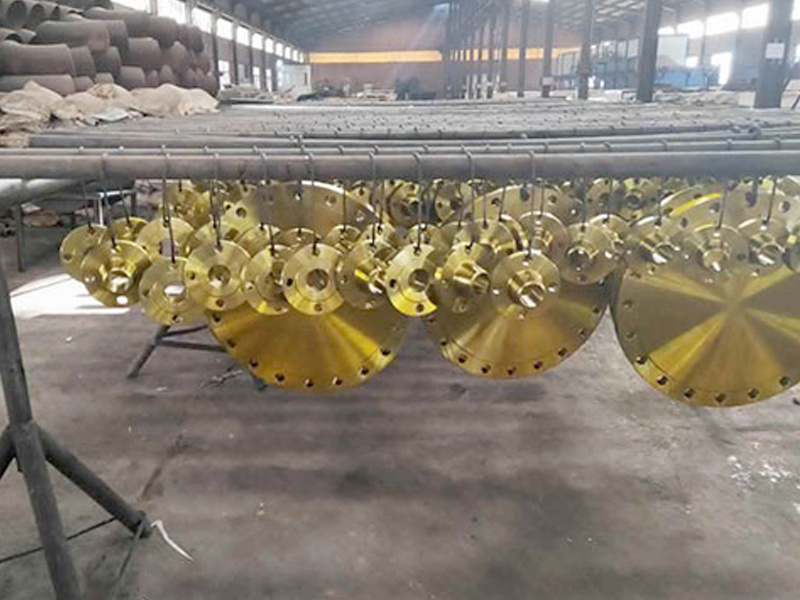
In simple terms, flanges are flat pieces of material, usually metal, that are used to connect two parts of a system. Think of them as the glue that holds everything together—without them, systems would be leaking or falling apart left and right! They come in various shapes and sizes, tailored to fit specific applications. From the bustling oil and gas sector to the serene world of water supply, flanges are everywhere!
Types of Flanges You Should Know
Now, before you get too carried away, let's explore some common types of flanges:
- Weld Neck Flanges: Perfect for high-pressure applications. They have a long neck that helps in welding.
- Slip-On Flanges: Super easy to install! They just slip over the pipe and are then welded.
- Blind Flanges: These guys are used to seal the ends of piping systems. No flow allowed!
- Socket Weld Flanges: Ideal for small-diameter pipes. They provide a strong joint and are great for high-pressure situations.
Why Are Flanges So Important?
Well, let me tell ya, flanges are vital! They ensure safety and efficiency in various systems. Imagine a pipeline carrying hot steam from a power plant. If those connections aren't secure, it could lead to disastrous leaks or even explosions! Yikes! By using flanges, engineers can create reliable joints that withstand pressure and temperature fluctuations.
Flanges in Different Industries
Flanges are like those versatile actors in movies—able to fit into any role. Here's how they shine in different industries:
- Oil and Gas: Essential for connecting pipelines and ensuring safe transportation of crude oil and natural gas.
- Water Treatment: Used extensively in water supply and sewage systems to keep everything flowing smoothly.
- Construction: Flanges are critical in HVAC systems, plumbing, and fire protection systems.
- Food and Beverage: Sanitary flanges are employed to maintain hygiene standards in food processing.
Installation Tips for Flanges
Alright, so you've got your flanges, but how do you install them? Here are a few tips to keep in mind:
- Clean the Surface: Make sure the surfaces are clean and free of debris.
- Align Properly: Align the flanges correctly to avoid any misfits.
- Tighten Evenly: When bolting, tighten in a crisscross pattern to ensure a secure fit.
- Check for Leaks: After installation, conduct a leak test to ensure everything is sealed tight.
The Future of Flanges
As industries evolve, so do flanges! With advancements in materials like carbon fiber and composite materials, we can expect lighter, stronger, and more efficient flanges. Plus, with the rise of smart technology, flanges could soon be equipped with sensors to monitor stress and strain, ensuring optimal performance. How cool is that?!
Conclusion
So, there you have it! Flanges might not be the most glamorous part of engineering, but they're certainly one of the most crucial. Next time you see a pipeline or a valve, just remember: behind the scenes, flanges are doing the heavy lifting, ensuring everything runs smoothly. Until next time, keep those flanges in mind!
Related Posts

November 11Th-14Th ADIPEC Dubai Exhibiton