Flanges: The Unsung Heroes of Industrial Applications
Date:
2025-10-13
Discover how flanges play a crucial role in various industries, enhancing safety and efficiency.
Understanding Flanges: A Quick Overview
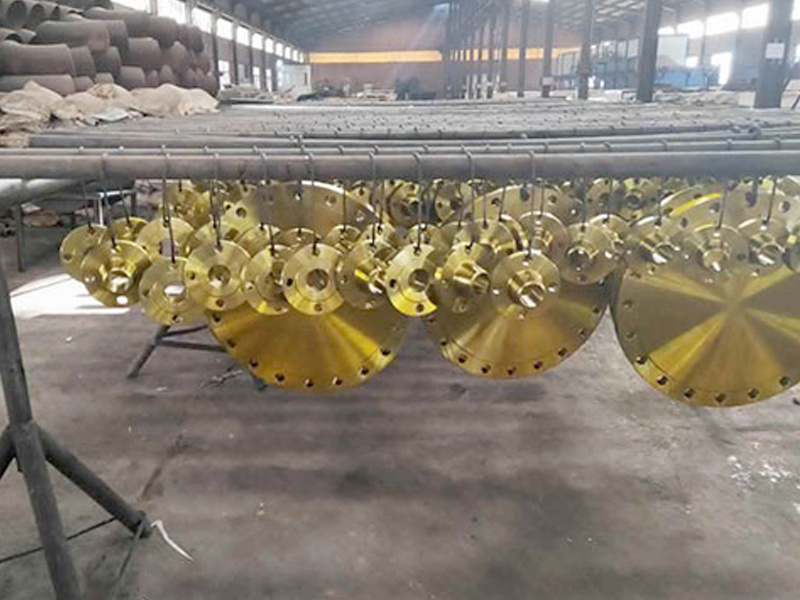
Have you ever thought about the little things that hold our world together? Well, flanges are among those unsung heroes in various industries! These flat pieces of metal, often circular, are used to connect pipes, valves, and machinery, providing a reliable seal and support. Whether you're in oil & gas, water treatment, or manufacturing, flanges are everywhere!
Why Are Flanges So Important?
First off, let's get one thing straight: flanges are essential for maintaining the integrity of systems. They help prevent leaks and ensure that everything runs smoothly. Without them, we'd be in a bit of a pickle—imagine the chaos of a pipe bursting or a valve malfunctioning. Yikes!
Flanges in Action: Industry Case Studies
Now, let's dive into some real-life examples of how flanges are making waves in various sectors.
1. Oil & Gas Industry
In the oil and gas sector, flanges are a big deal. They're used to connect pipes that transport crude oil and natural gas. Here's the kicker: these flanges must withstand high pressures and temperatures. That's why they're often made from durable materials like stainless steel or carbon steel. Take a look at any oil rig, and you'll spot flanges doing their thing, ensuring that everything stays tight and leak-free.
2. Water Treatment Plants
Water treatment plants? You bet! Flanges play a pivotal role here as well. They're used to connect various components of the system, from pumps to filters. In this case, the flanges must be resistant to corrosion since they're dealing with water and chemicals. A simple flange failure could lead to contamination and, let's face it, nobody wants polluted water!
3. Manufacturing and Construction
In the manufacturing world, flanges are vital for machinery assembly. For instance, when building large equipment, flanges are used to secure parts together. This means that every bolt and nut counts! If something goes wrong, the whole operation could be halted, causing delays and losses. Talk about pressure!
Types of Flanges: A Closer Look
Alright, let's switch gears and talk about the different types of flanges. Just like you wouldn't wear flip-flops to a formal event, not all flanges are created equal!
1. Weld Neck Flanges
These are the heavyweights of the flange world. Weld neck flanges are designed for high-pressure applications and are welded to the pipe. They provide excellent strength and stability. Now that's what we call a power couple!
2. Slip-On Flanges
Slip-on flanges are a bit more laid-back. They simply slip over the pipe and are then welded in place. They're easier to install, but they're not quite as strong as weld neck flanges. Perfect for low-pressure applications, though!
3. Blind Flanges
Blind flanges are like the gatekeepers. They seal off the end of a pipe, preventing any fluid from escaping. These are particularly handy for maintenance purposes, allowing for easy access when needed.
The Future of Flanges: Innovations Ahead
Looking ahead, the future of flanges is pretty exciting! With advancements in materials and manufacturing processes, we're likely to see even more robust and efficient designs. Plus, the rise of eco-friendly materials means that flanges can be more sustainable, which is a win-win for everyone!
Conclusion: Flanges Matter!
So, the next time you see a pipe or valve, take a moment to appreciate the flanges that hold it all together. They may be small, but they pack a punch! Remember, in the grand scheme of things, these little metal pieces are integral to the functioning of our industries. Here's to flanges—keeping it tight since forever!
Related Posts

November 11Th-14Th ADIPEC Dubai Exhibiton