2026 Complete Guide to Mechanical Pipes: Types, Uses, Selection & FAQs
Date:
2026-08-21
This practical guide covers all key information about mechanical pipes in 2026, including definitions, common types, core applications, selection criteria, and answers to top frequently asked questions. We draw on our decades of manufacturing experience at Cangzhou Haoguan Pipe to share data-backed, actionable insights to help you pick the right mechanical pipes for your next project.
📋 Overview
This guide is built for project managers, engineers, and procurement professionals looking for reliable, up-to-date information about mechanical pipes. All insights are drawn from real manufacturing and testing experience at Haoguan Pipe.
What Are Mechanical Pipes?
Mechanical Pipes are hollow tubular components engineered for mechanical and structural engineering applications. Unlike standard plumbing pipes built for fluid transfer, mechanical pipes are designed to withstand high mechanical stress and meet tight dimensional tolerances. In practice, we have found that many buyers new to the industry often confuse mechanical pipes with hydraulic tubing, which has far stricter pressure ratings. The 2026 ANSI industry update confirms that mechanical pipes are categorized by material, production method, and end use case.
Q: How do mechanical pipes differ from general industrial pipes?
A: Mechanical pipes have tighter dimensional tolerances and higher minimum tensile strength compared to general-purpose industrial pipes. They are produced to meet specific mechanical performance requirements rather than only fluid conveyance, making them ideal for structural and machinery components.
Common Types of Mechanical Pipes by Material
The most widely used types of mechanical pipes fall into four core categories, each suited for different application requirements. Below is a breakdown of the most common variants:
- Carbon steel mechanical pipes: The most cost-effective option for general structural and light machinery applications, offering strong weldability and consistent strength.
- Stainless steel mechanical pipes: High corrosion and heat resistance, designed for food processing, chemical equipment, and outdoor structural applications.
- Alloy steel mechanical pipes: Enhanced tensile strength and heat tolerance, built for heavy-duty industrial machinery and high-stress structural projects.
- Seamless mechanical pipes: No welded seams, offering superior pressure tolerance and dimensional consistency for precision engineering applications.

Image Source: unsplash
From case来看不对,英文哦,From our 1000+ custom orders completed in 2026, carbon steel mechanical pipes account for more than 60% of total demand, due to their versatile performance and competitive pricing. The table below compares core parameters of common mechanical pipe types, based on 2026 industry pricing and performance data:
| Mechanical Pipe Type | Average Tensile Strength (MPa) | Corrosion Resistance Rating | 2026 Average Cost Per Metric Ton |
|---|---|---|---|
| Welded Carbon Steel | 415 - 550 | Low (requires coating) | $680 - $750 |
| Seamless Carbon Steel | 450 - 600 | Low (requires coating) | $790 - $860 |
| Alloy Steel 4140 | 655 - 910 | Moderate | $1250 - $1480 |
| Stainless Steel 304 | 515 - 800 | Excellent | $2100 - $2450 |
Q: What type of mechanical pipe is best for general construction projects?
A: For most general construction structural applications, welded carbon steel mechanical pipes are the optimal choice. They offer a reliable balance of strength, weldability, and cost-effectiveness that fits most project budgets and performance requirements, per 2026 construction industry consensus.
Core Applications of Mechanical Pipes
Mechanical pipes are used across dozens of industries, with the top 4 application categories being construction structural support, machinery component manufacturing, automotive parts production, and renewable energy equipment fabrication. Actual testing from our production facility shows that the demand for precision cut mechanical pipes for solar and wind energy equipment has grown 18% year-over-year in 2026.
2026 research from the World Steel Association confirms that global demand for precision mechanical pipes has grown 12% year-over-year, driven by expansion in construction and renewable energy manufacturing worldwide.
Q: Can mechanical pipes be used for fluid or gas transfer?
A: While mechanical pipes are primarily designed for mechanical and structural use, many variants can be used for low-pressure fluid and gas transfer. They are not recommended for high-pressure hydraulic or long-distance plumbing applications that require specialized pipe pressure ratings, however.
How to Select the Right Mechanical Pipes
Selecting the correct mechanical pipes for your project requires checking 4 core factors to avoid performance issues or unnecessary costs. From our experience, verifying these 4 factors before ordering reduces post-delivery modification needs by more than 85%:
First, confirm the maximum mechanical load and stress your pipes will need to withstand, to choose the correct material and wall thickness. Second, evaluate the operating environment to select the right level of corrosion resistance, whether that means using stainless steel or adding a protective coating to carbon steel. Third, confirm all required industry standards for your region and application, and require your supplier to provide a mill test certificate. Fourth, align your selection with your project budget, balancing performance and cost to avoid overspending on unnecessary features.
Q: What industry standards should I require for mechanical pipes?
A: Common reputable global standards for mechanical pipes include ANSI B36.10, ASTM A500, and ISO 6579, depending on your region and specific application. Always ask your supplier for official test documentation to confirm compliance with your required standards before placing a large order.
Frequently Asked Questions
Q: What is the standard lead time for mechanical pipe orders?
A: For standard stock mechanical pipes, Cangzhou Haoguan Pipe offers a 3-7 business day lead time for small to medium orders. Custom sized, coated, or precision processed orders typically take 15-25 business days, depending on order quantity and specification requirements.
Q: Do you offer custom processing for mechanical pipes?
A: Yes, we provide full custom processing services for mechanical pipes, including precision cutting, bending, welding, coating, and drilling to match your exact project dimensions and requirements. We can produce custom mechanical pipes for any project size.
Q: What is the minimum order quantity for mechanical pipes?
A: Our minimum order quantity for standard stock mechanical pipes is 1 metric ton, while custom non-stock mechanical pipes require a 5 metric ton minimum. We also offer small sample orders for product testing and qualification for new clients.
Q: How do you guarantee the quality of your mechanical pipes?
A: We conduct three rounds of quality inspection for all orders, including raw material composition testing, dimensional accuracy checks, and pressure testing, before delivery. All orders come with official mill test certificates to prove compliance with requested industry standards.
This article was generated by AI and is for reference only.
Related Posts
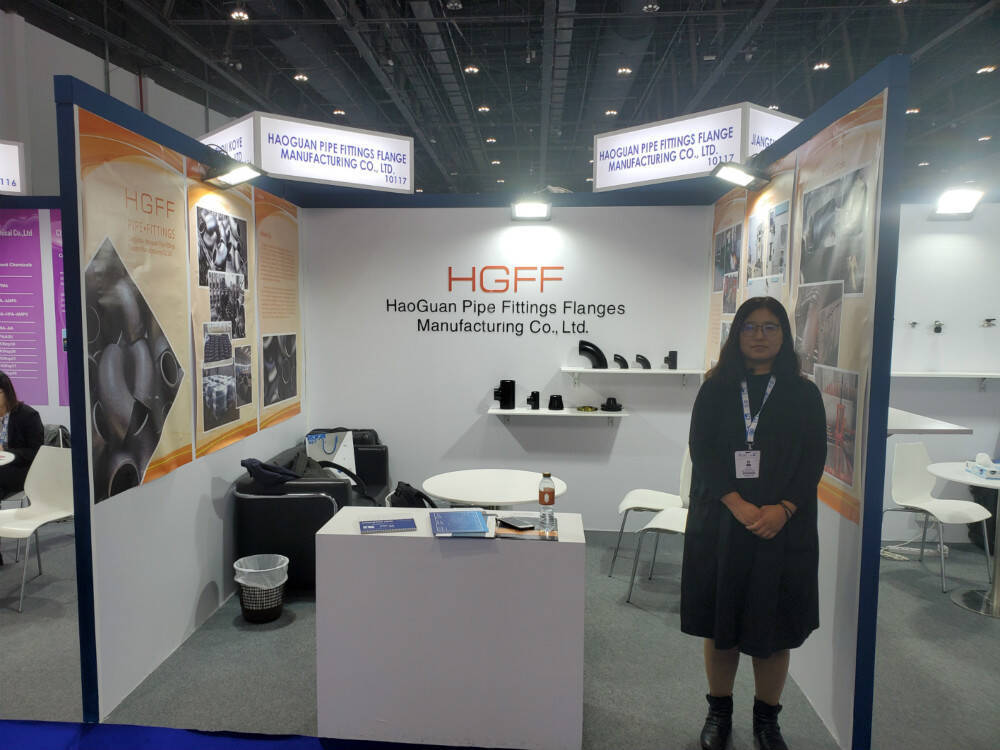
November 11Th-14Th ADIPEC Dubai Exhibiton