Understanding the Mechanics of Steel Pipes: A Comprehensive Guide
Date:
2025-10-27
Dive into the fascinating world of steel pipes and discover their working principles, applications, and benefits.
Introduction to Steel Pipes
Have you ever stopped to think about the unsung heroes of modern infrastructure? You guessed it—steel pipes! These cylindrical wonders are more than just hollow tubes; they play a crucial role in everything from plumbing to construction. Let's dive into the working principles of these mighty materials and uncover just how they make our lives easier.
What Are Steel Pipes?
In the simplest terms, steel pipes are tubular sections made from steel, used to transport liquids, gases, and sometimes solids. They come in various sizes and grades, tailored for specific applications, whether it's for oil and gas, water supply, or even structural support. But what's the magic behind their functionality? Let's break it down!
The Science Behind the Steel
So, how do steel pipes actually work? It's all about pressure and flow. When a fluid or gas is introduced into a pipe, pressure is applied, pushing the contents through. The smooth interior of steel pipes minimizes friction, allowing for efficient flow. Imagine trying to squeeze toothpaste from a tube—if the tube is narrow or has bumps, it's a struggle! Steel pipes, with their robust construction, ensure a steady and reliable flow.
Types of Steel Pipes
Not all steel pipes are created equal. There are several types, each with its unique properties and uses:
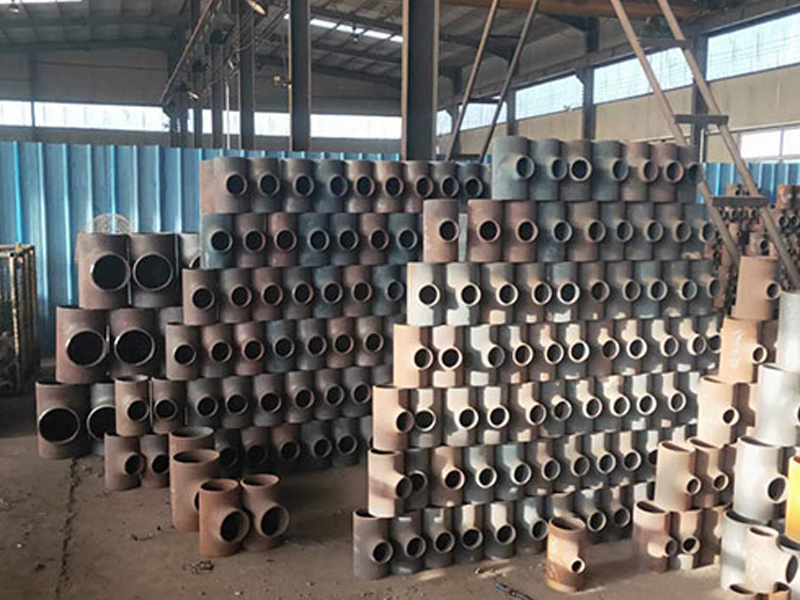
- Seamless Pipes: Made from a solid round steel billet, they have no seams, which makes them strong and resistant to pressure.
- Welded Pipes: Produced by welding two steel plates together, these are typically less expensive but may have lower pressure ratings.
- Galvanized Pipes: Coated with zinc to prevent corrosion, these are often used in plumbing and outdoor applications.
Applications of Steel Pipes
It's easy to overlook them, but steel pipes are everywhere! Here are some common applications:
- Oil and Gas Industry: They transport crude oil and natural gas, ensuring these resources reach refineries safely.
- Water Supply: Municipalities rely on steel pipes to deliver clean drinking water to homes and businesses.
- Construction: Used for structural purposes, they provide the backbone for buildings, bridges, and other infrastructures.
Benefits of Using Steel Pipes
You might be wondering, why choose steel pipes? Here's the scoop:
- Durability: Steel is tough! These pipes can withstand high pressure and extreme temperatures.
- Corrosion Resistance: Especially when galvanized, they resist rust and decay, extending their lifespan.
- Cost-Effectiveness: While the initial investment may be higher, their longevity and low maintenance make them a wise choice in the long run.
The Future of Steel Pipes
With the advancement of technology, the future looks bright for steel pipes. Innovations such as smart pipes, equipped with sensors to monitor flow and detect leaks, are on the horizon. This not only enhances safety but also promotes sustainability by reducing waste.
Conclusion
In a nutshell, steel pipes are integral to our daily lives, quietly working behind the scenes to keep everything flowing smoothly. Their durability, versatility, and efficiency make them a top choice across various industries. So, the next time you see a pipe, give it a nod of appreciation—you might just be looking at a marvel of engineering!
Related Posts

November 11Th-14Th ADIPEC Dubai Exhibiton