All You Need to Know About Steel Pipes: Common Questions Answered
Date:
2025-10-26
Explore the ins and outs of Steel Pipes, addressing common questions and providing insights into their uses, benefits, and maintenance.
An Introduction to Steel Pipes
Ah, Steel Pipes! Those unsung heroes of construction, plumbing, and manufacturing. You may not think much about them, but without these sturdy tubes, our world would look a whole lot different. Whether you're a DIY enthusiast or a seasoned contractor, understanding Steel Pipes is essential. So, let's dive into some common questions surrounding these vital components!
What Are Steel Pipes?
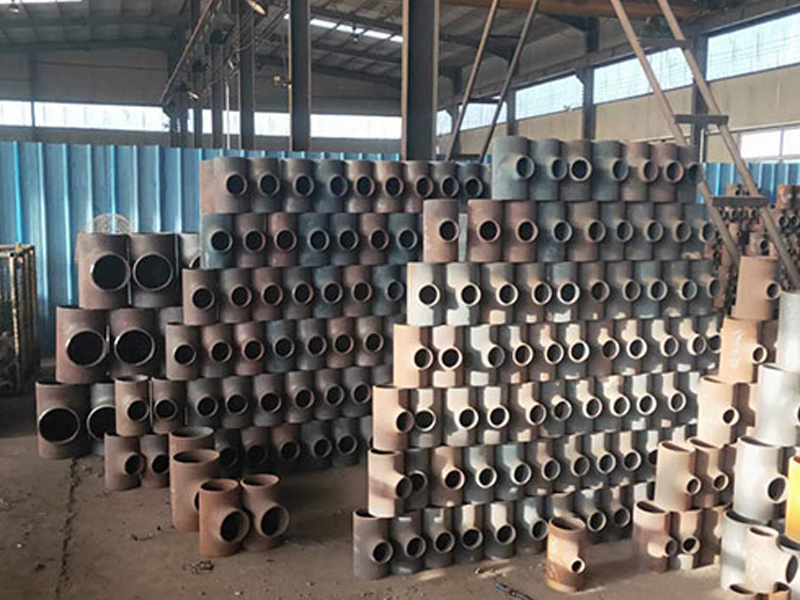
In simple terms, Steel Pipes are cylindrical tubes made from various types of steel, and they come in a plethora of sizes and thicknesses. They're primarily used for transporting fluids and gases, but their applications stretch far beyond that. From water supply to structural support, Steel Pipes do it all!
Why Choose Steel Pipes?
Now, you might be asking, "Why should I opt for Steel Pipes over other materials?" Great question! Here are a few reasons:
- Durability: Steel pipes are incredibly strong and can withstand high pressures, making them perfect for demanding environments.
- Corrosion Resistance: With proper treatment, they resist rust and corrosion, ensuring longevity.
- Versatility: Use them for everything from plumbing to construction; the possibilities are endless!
What Types of Steel Pipes Are There?
Hold onto your hard hats, because there are several types of Steel Pipes out there! Here's a quick rundown:
- Seamless Steel Pipes: These lack seams, making them stronger and less likely to leak.
- Welded Steel Pipes: Formed by welding two pieces of steel together; they're generally less expensive but may not handle pressure as well as seamless types.
- Galvanized Steel Pipes: Coated with zinc to prevent corrosion, ideal for outdoor use.
Common Applications of Steel Pipes
So, where do we see these bad boys in action? Here are some common applications:
- Water Supply Systems: Steel pipes are often used to transport potable water.
- Oil and Gas Industries: They're essential for transporting crude oil and natural gas.
- Construction: Steel pipes provide structural support in buildings and bridges.
How to Maintain Steel Pipes?
Maintaining Steel Pipes is crucial for ensuring their longevity. Here are some tips:
- Regular Inspections: Check for any signs of wear or corrosion.
- Proper Coatings: Use protective coatings to prevent rust.
- Temperature Control: Avoid exposing them to extreme temperatures.
What About Cost?
Ah, the age-old question of cost! The price of Steel Pipes varies widely based on size, type, and market conditions. Generally, you can expect to pay more for seamless pipes due to their manufacturing process. However, the investment often pays off in terms of durability and performance. Remember, sometimes you get what you pay for!
Conclusion
In a nutshell, Steel Pipes are indispensable and versatile components in various industries. Whether you're transporting water, oil, or building a sturdy structure, these pipes have got you covered. If you have more questions about Steel Pipes, don't hesitate to reach out to industry professionals or dive into some research. Happy piping!
Related Posts

November 11Th-14Th ADIPEC Dubai Exhibiton