Flanges: The Unsung Heroes of Pipe Connections
Date:
2025-10-10
Discover the essential role of flanges in piping systems and how they ensure seamless connections.
Introduction to Flanges
Ever thought about the little things that keep our world running smoothly? Well, let me tell ya, flanges are among those unsung heroes! These circular pieces of metal might not steal the spotlight, but they play a crucial role in connecting pipes, valves, and other equipment in various industries. So, buckle up, because we're diving into the fascinating world of flanges!
What Exactly Are Flanges?
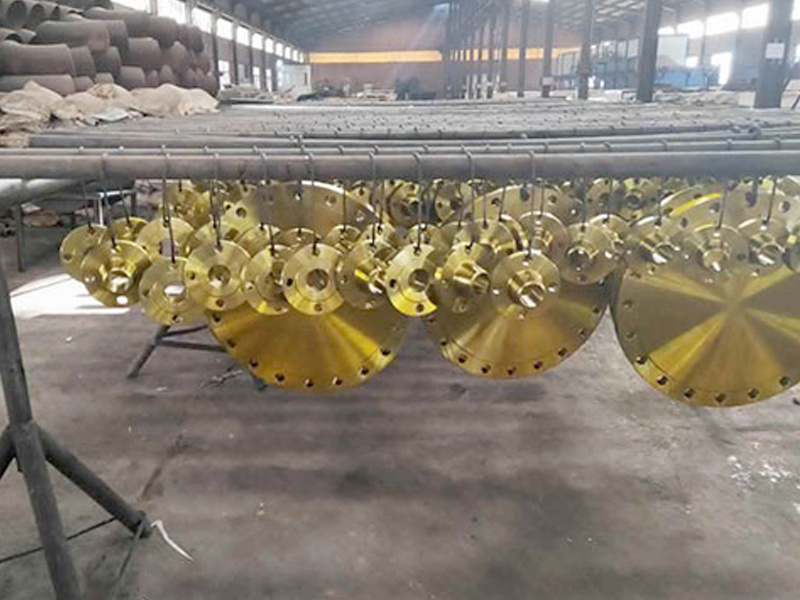
In the simplest terms, flanges are flat pieces of metal with holes around the edge, designed to be bolted together. They come in all shapes and sizes, but their primary job is to create a tight seal between two sections of piping. Whether you're dealing with water, gas, or oil, you can bet that flanges are there, holding it all together.
Types of Flanges
Now, let's not get ahead of ourselves. There's a whole buffet of flange types out there! Here are a few popular ones:
- Weld Neck Flanges: Ideal for high-pressure applications, these flanges are welded to the pipe, providing a strong and durable connection.
- Slip-On Flanges: These are super easy to install! They slip over the pipe and are then welded in place.
- Blind Flanges: When you need to close off a pipeline, look no further! Blind flanges fit the bill perfectly.
- Socket Weld Flanges: These flanges are designed for small diameter pipes and are welded into place.
Each type has its own unique features and benefits, making them suitable for different applications. It's like picking the right tool for a job!
Why Are Flanges Important?
Alright, you're probably wondering why we should even care about flanges. Well, here's the deal: without them, our systems would be leaky, messy, and downright dangerous. Imagine a leaky pipe in your home or an oil rig without secure connections. Yikes! Flanges help maintain pressure and prevent leaks, ensuring that everything runs smoothly.
Flanges in Different Industries
Flanges are versatile and find their way into numerous industries:
- Oil and Gas: They're the backbone of pipeline systems, ensuring safe and efficient transport of hydrocarbons.
- Water Treatment: Flanges help connect various components of water treatment plants, keeping our drinking water safe.
- Food and Beverage: Sanitary flanges are used to prevent contamination in food processing.
So, next time you sip a cold drink or take a shower, give a nod to flanges!
How to Choose the Right Flange
If you ever find yourself in the position of selecting flanges for a project, keep these factors in mind:
- Material: Select a flange material that can withstand the fluid type and temperature.
- Size: Measure your pipes accurately; a snug fit is essential!
- Pressure Rating: Ensure the flange can handle the pressure of the system.
It's like a game of matchmaker, but instead of hearts, you're pairing up metal!
Installation and Maintenance of Flanges
Installing flanges might seem straightforward, but there are a few tricks of the trade:
- Cleaning: Always clean the surfaces before installation to ensure a proper seal.
- Tightening: Use a star pattern when tightening bolts to distribute pressure evenly.
- Inspection: Regularly check for wear and tear. A stitch in time saves nine!
With a little care, your flanges will be happy and healthy!
Conclusion
So there you have it, folks! Flanges may not be the flashiest components in the engineering world, but their importance cannot be overstated. From oil rigs to your kitchen sink, they hold our systems together. Next time you see a pipe, remember the hard work of these circular metal wonders!
Related Posts

November 11Th-14Th ADIPEC Dubai Exhibiton