Understanding Pipe Fittings: The Unsung Heroes of Plumbing
Date:
2025-10-09
Explore the world of pipe fittings, their types, uses, and importance in plumbing systems.
Introduction to Pipe Fittings
Hey there! If you've ever gazed bewilderedly at a plumbing project or simply tried to fix a leaky faucet, you might've come across the term Pipe Fittings. These little gizmos are the unsung heroes that help connect, redirect, and control the flow of liquids and gases in various systems. Let's dive into the fascinating world of pipe fittings and see what they're all about!
What Exactly Are Pipe Fittings?
To put it bluntly, pipe fittings are the components that allow pipes to be joined together smoothly. They change the direction of piping, connect different sizes, and sometimes even seal off sections of a system. Think of them as the connectors in your favorite puzzle—without them, the picture just wouldn't come together!
Types of Pipe Fittings
Now, let's get into the nitty-gritty. There are various types of fittings, each with its own unique purpose:
- Elbows: These are used to change the direction of the flow, typically found in 90-degree or 45-degree angles.
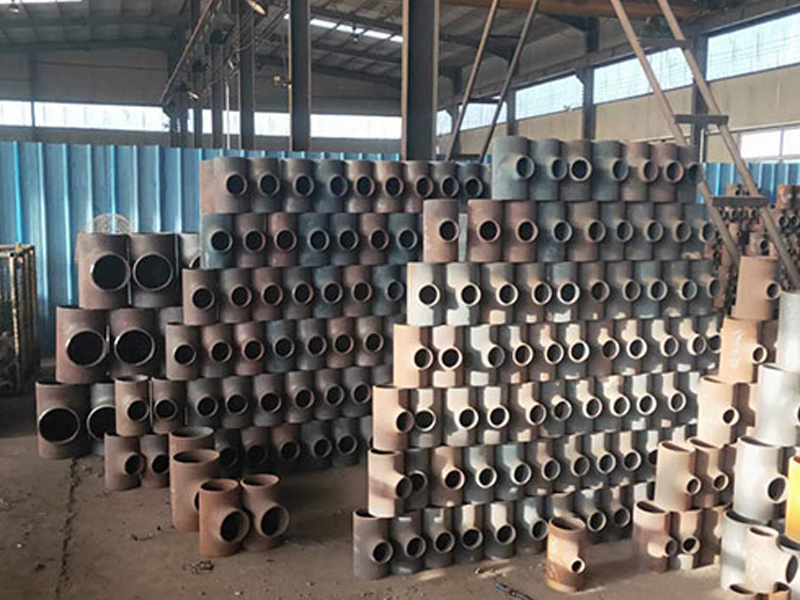
- Tees: As the name suggests, these fittings create a T-junction and allow for branching out from one pipe to two.
- Couplings: Perfect for connecting two pipes of the same diameter, couplings are a plumber's best friend!
- Caps: Want to seal off the end of a pipe? Caps do just that, preventing any unwanted leaks.
- Reducers: These fittings help transition from a larger diameter pipe to a smaller one, perfect for controlling flow.
Materials Matter
When it comes to pipe fittings, not all materials are created equal! Depending on the application, you might find fittings made from:
- Plastic: Lightweight, resistant to corrosion, and easy to install—plastic fittings are all the rage in residential plumbing.
- Metal: Whether it's brass, copper, or stainless steel, metal fittings offer durability and strength, making them ideal for commercial applications.
- Cast Iron: Perfect for heavier applications, cast iron fittings can handle high-pressure environments with ease.
Why Are Pipe Fittings Important?
Let's be honest—without pipe fittings, our plumbing systems would be a chaotic mess! These fittings ensure:
- Efficiency: They help maintain smooth flow and reduce pressure loss, which can save you money on water bills.
- Flexibility: Fittings allow for changes in direction and size, making installations adaptable to any space.
- Safety: Proper fittings ensure that systems function without leaks, minimizing the risk of water damage.
Choosing the Right Pipe Fittings
So, how do you choose the right pipe fittings? Well, it's not rocket science! Here are a few tips:
- Know Your System: Understand the requirements of your plumbing system—pressure, temperature, and material compatibility are key!
- Consult the Pros: Don't hesitate to ask a plumber or a hardware store expert for advice.
- Quality Matters: Always opt for high-quality fittings to avoid leaks and ensure longevity.
Conclusion
In summary, pipe fittings play a crucial role in the world of plumbing and beyond. They facilitate connections, enhance efficiency, and ensure safety in our systems. So the next time you find yourself elbow-deep in a plumbing project, remember that these little connectors are the backbone of your setup. Happy plumbing!
Related Posts

November 11Th-14Th ADIPEC Dubai Exhibiton