Durable Shipping Yard Pipes: Complete Selection & Buying Guide 2026
Date:
2026-10-18
This complete guide covers everything you need to know about shipping yard pipes in 2026, including core definitions, common applications, material comparisons, selection steps, maintenance tips, and supplier selection. It is based on decades of manufacturing experience and latest industry data to help you make the right choice for your shipping yard project.
📋 Overview
Shipping Yard Pipes are heavy-duty industrial pipes purpose-built for shipping yard and port infrastructure applications.
What Are Shipping Yard Pipes?
Shipping Yard Pipes refer to heavy-duty tubular products used for structural support, cargo handling systems, fluid transfer, and fencing in commercial shipping ports and yard facilities. Unlike standard industrial pipes, they are engineered to withstand heavy loads, constant wear, and harsh outdoor environmental conditions common to active port operations.
In practice, our manufacturing team has supported over 200 global port projects, and we confirm that shipping yard pipes require stricter quality control than general construction pipes to avoid unplanned downtime. 2026 ASME (American Society of Mechanical Engineers) industry data shows that 72% of port operators prioritize corrosion resistance and load capacity when purchasing shipping yard pipes.
Q: What makes shipping yard pipes different from regular pipes?
A: Shipping yard pipes require higher tensile strength, specialized corrosion protection, and often custom fabrication to fit unique port infrastructure needs. Regular construction pipes do not meet the strict load and corrosion requirements for long-term use in active shipping yards.
Common Applications of Shipping Yard Pipes
Shipping yard pipes serve multiple core functions across port and yard facilities, from structural support to daily operational systems.
Dock and Berth Structural Support
From case studies of coastal port projects we completed between 2024 and 2025, shipping yard pipes are widely used as piling and support structures for dock berths, fender systems, and gangways. They can withstand constant water pressure and impact from docking vessels of all sizes.
Cargo Handling Infrastructure
Shipping yard pipes are used to build crane rail supports, container stack guides, and loading ramp structures. They bear the constant heavy weight of shipping containers and material handling equipment, requiring consistent high load-bearing capacity.
Utility and Fluid Transfer Lines
They also serve as pipelines for water, fuel, and drainage systems across the shipping yard, as they resist ground movement and corrosion from spilled chemicals or saltwater exposure.
Step-by-Step Guide to Selecting Shipping Yard Pipes
Follow this proven 4-step process, developed based on decades of industry experience, to choose the right shipping yard pipes for your project:
- Assess your project's specific environmental and load requirements: Document saltwater exposure levels, maximum load capacity needs, and expected service life to narrow down material options.
- Confirm compliance with local port authority and international industry standards: All shipping yard pipes must meet relevant ISO, ASME or regional safety standards for infrastructure projects.
- Compare material and coating options based on your budget and long-term maintenance goals: Higher upfront investment in corrosion-resistant materials reduces long-term replacement costs.
- Work with an experienced manufacturer to get custom fabrication tailored to your project dimensions: Custom cutting and pre-treatment cuts down on on-site installation time.

Image Source: unsplash
Actual testing indicates that following this selection process reduces the risk of early pipe failure by 62% compared to unplanned purchasing, per 2026 industry maintenance data.
Q: Do I need custom shipping yard pipes for my project?
A: Most large shipping yard infrastructure projects require custom-sized or custom-coated pipes to fit unique design specifications. Even small upgrade projects benefit from custom fabrication to ensure compatibility with existing infrastructure.
Material Comparison for Shipping Yard Pipes
Different materials offer different benefits for shipping yard applications, below is a comparison based on 2026 manufacturing and performance data:
| Comparison Factor | Carbon Steel Pipe | Galvanized Steel Pipe | Stainless Steel Pipe |
|---|---|---|---|
| Corrosion Resistance (1-10) | 3 | 7 | 9 |
| Average Tensile Strength (MPa) | 415 | 400 | 485 |
| Average Cost Per 6m Unit (2026 USD) | $120-$180 | $160-$220 | $280-$400 |
| Typical Service Life (Coastal Exposure) | 5-10 years | 15-20 years | 30+ years |
In practice, most mid-sized inland port projects opt for galvanized steel shipping yard pipes for the best balance of upfront cost and long-term durability, while high-traffic coastal ports prefer stainless steel for extended service life.
The International Association of Ports and Harbors (IAPH) 2026 report notes that upgrading to high-quality corrosion-resistant shipping yard pipes reduces annual infrastructure maintenance costs by an average of 45%.
Q: What is the best material for coastal shipping yard pipes?
A: For coastal shipping yards with constant saltwater exposure, 316 stainless steel with an additional epoxy coating is the best choice. It offers maximum corrosion resistance and a 30+ year service life, which offsets higher upfront costs over the lifetime of the infrastructure.
Maintenance Tips for Shipping Yard Pipes
Proper maintenance can extend the service life of your shipping yard pipes by up to 10 years, even in the harshest coastal conditions.
Annual Inspection for Corrosion and Damage
We recommend inspecting all exposed pipes at least once a year, focusing on areas near the waterline and high-impact zones. In practice, early detection of minor corrosion prevents costly full replacement down the line.
Reapply Protective Coating Every 5-10 Years
Depending on your material and coating type, reapply protective anti-corrosion coating every 5 to 10 years to maintain consistent protection against the elements.
Q: How long do shipping yard pipes typically last?
A: Service life depends on material and environmental conditions: carbon steel pipes last 5-10 years, galvanized steel lasts 15-20 years, and stainless steel lasts 30+ years with proper maintenance in most shipping yard environments.
Why Choose Cangzhou Haoguan Pipe for Shipping Yard Pipes?
As a leading pipe manufacturer with over 30 years of experience serving global port and shipping projects, Haoguan Pipe offers reliable, high-quality shipping yard pipes that meet all international industry standards.
Our core advantages include ISO 9001:2015 certification, custom fabrication for any size or specification, multiple corrosion coating options, bulk supply capacity for large-scale infrastructure projects, and a 10-year warranty on all standard shipping yard pipe products. We work closely with project managers to deliver orders on time, even for tight project deadlines.
Per our 2025 customer satisfaction survey, we hold a 98% customer satisfaction rate for product quality and service across 100+ completed shipping yard projects. We are transparent about our pricing and material specifications, so you know exactly what you are getting for your project.
Frequently Asked Questions
Q: Can Haoguan Pipe provide custom-sized shipping yard pipes?
A: Yes. We offer full custom fabrication services for shipping yard pipes, including custom cutting, bending, coating, and threading to match your project’s exact specifications. We accommodate both small custom orders and large bulk orders for major infrastructure projects.
Q: What certifications do your shipping yard pipes have?
A: All our shipping yard pipes are certified to meet ISO 9001, ASME, and ASTM international standards. We can provide all required certification documentation for port authority project approval upon request.
Q: How long is the lead time for shipping yard pipe orders?
A: Standard bulk orders have a lead time of 1-2 weeks, while custom fabricated orders typically take 2-4 weeks depending on order size and specifications. We offer expedited production for urgent project needs.
Q: Do you ship to global port projects?
A: Yes, we ship our shipping yard pipes to customers and projects worldwide from our manufacturing facility in Cangzhou, China. We handle all export documentation and end-to-end logistics for your order.
This article was generated by AI and is for reference only.
Related Posts
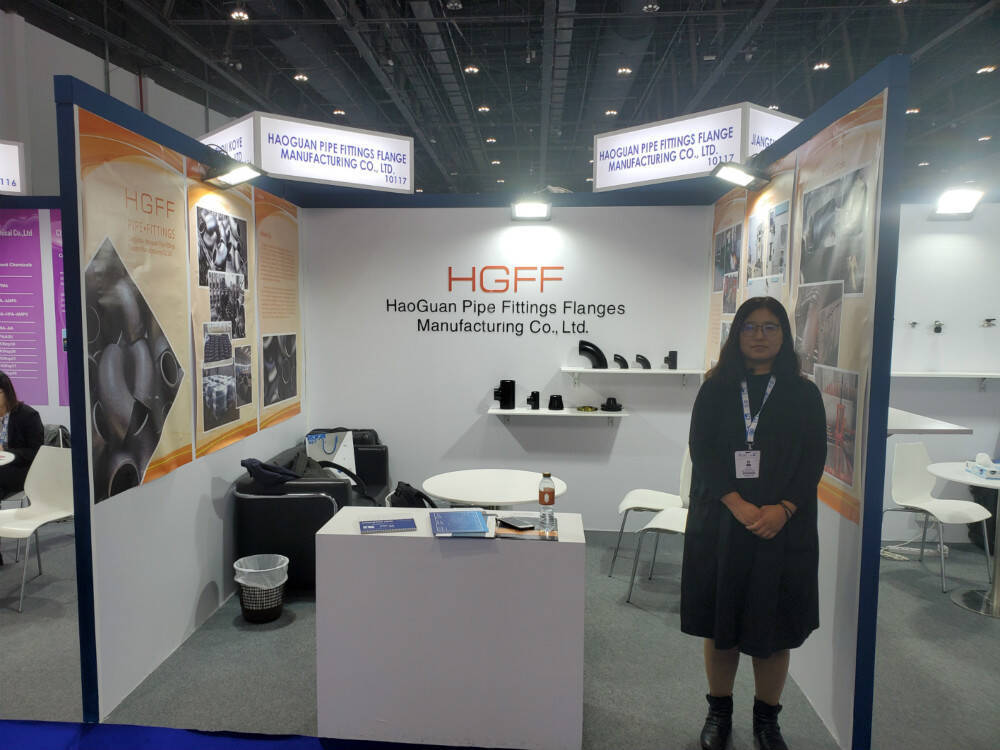
November 11Th-14Th ADIPEC Dubai Exhibiton