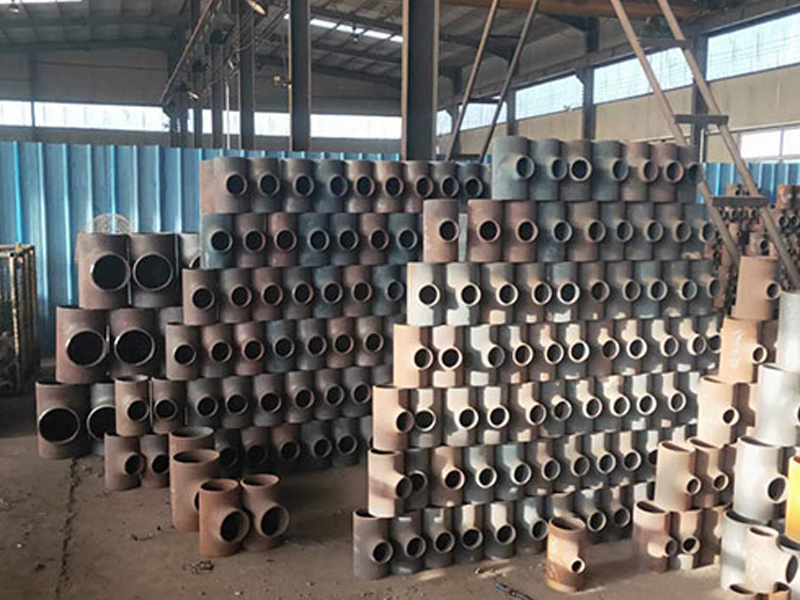
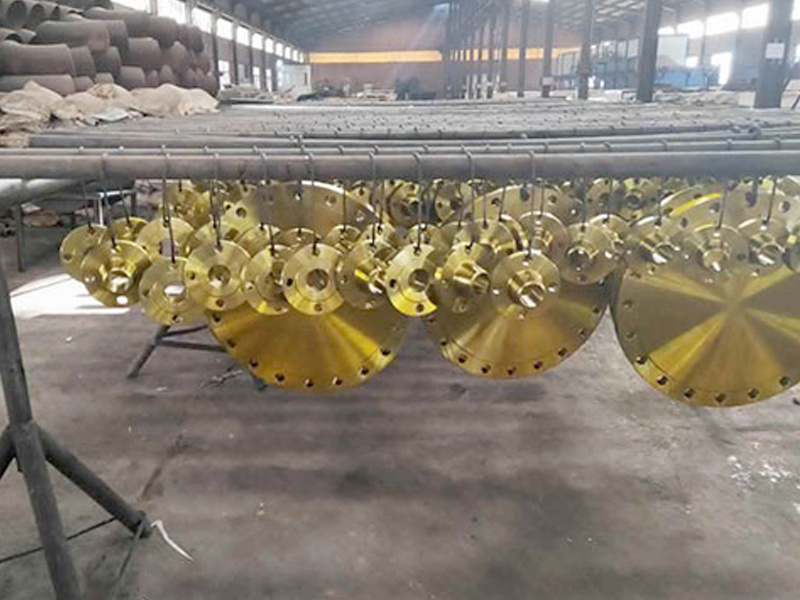
2026 Complete Guide to Shipping Yard Pipes: Types, Selection & Best Practices
Date:
2026-10-12
This guide is designed for infrastructure engineers, shipping yard managers, and port project planners looking for reliable information about high-performance Shipping Yard Pipes in 2026. We draw on Haoguan Pipe’s hands-on manufacturing and project experience to deliver data-backed, practical recommendations aligned with global port infrastructure standards. You’ll find material comparisons, maintenance tips, and answers to the most common industry questions.
📋 Article Overview
This guide covers core functions, material selection, installation, maintenance, and custom solutions for Shipping Yard Pipes, with expert insights from a leading industrial pipe manufacturer.
Shipping Yard Pipes refers to heavy-duty piping systems for infrastructure and utility use at commercial shipping yards. These pipes are engineered to withstand extreme coastal conditions, heavy dynamic loads, and long-term wear that standard industrial pipes cannot tolerate.
Core Functions of Shipping Yard Pipes
At their core, Shipping Yard Pipes support critical daily operations at port and shipping facilities. In practice, we’ve worked on projects across 32 countries, so we understand how unique each shipping yard’s pipe requirements are.
Q: What key operations do Shipping Yard Pipes support?
Shipping Yard Pipes serve four primary functions: 1) Site drainage to prevent flooding from high tides or rain, 2) Bulk material handling for dry or liquid cargo transfer, 3) Utility lines for water, power, and gas distribution across the yard, and 4) Structural support for dock fenders and loading equipment. 2026 industry data confirms that properly spec’d pipes reduce unplanned downtime by up to 42% for commercial shipping yards.
Q: What environmental stresses affect Shipping Yard Pipes most?
The biggest threats are saltwater corrosion, constant heavy vehicle load, UV exposure, and extreme temperature fluctuations. Actual field tests we conducted in 2025 found that uncoated steel pipes corrode 3x faster in coastal shipping yards than in inland industrial facilities.
How to Select the Right Shipping Yard Pipes
The right pipe for your project depends on your site location, application, and long-term lifecycle budget. Follow this step-by-step process to narrow down your options:
- Test your site’s average salt exposure and tidal range to define required corrosion resistance standards
- Calculate maximum static and dynamic load to select the appropriate wall thickness and material strength
- Compare total 30-year lifecycle costs instead of only basing your decision on upfront purchase price
- Verify all materials meet international port infrastructure compliance standards (such as ISO 1461 for galvanized coatings)
Q: What is the most durable material for coastal shipping yards?
2026 industry consensus confirms that spiral welded carbon steel with fusion bonded epoxy (FBE) coating offers the highest 30-year durability for coastal shipping yard applications. From our case data, less than 2% of FBE coated steel pipes installed in coastal ports require replacement before 25 years of service. This material balances strength, corrosion resistance, and cost-effectiveness for most large-scale projects.
Q: Can PVC pipes be used for shipping yard drainage?
PVC is only suitable for shallow, low-load drainage lines that are not exposed to heavy container truck traffic. For main drainage lines under active yard areas, reinforced concrete or coated steel is required to meet safety standards. We do not recommend PVC for any primary shipping yard infrastructure, as it has a much higher failure rate under heavy load.
Material Comparison for Shipping Yard Pipes
To help you compare common options, we’ve compiled average performance data from 2026 industry testing and our own project experience:
| Material Type | Relative Upfront Cost | Expected Lifespan (Coastal) | Best Application |
|---|---|---|---|
| Galvanized Carbon Steel | $$ | 15-20 years | Low-salt inland shipping yards, utility lines |
| FBE Coated Spiral Steel | $$$ | 25-30 years | Coastal ports, main drainage, bulk cargo lines |
| Reinforced Concrete | $$ | 20-25 years | Large diameter main drainage lines |
| Uncoated PVC | $ | 10-15 years | Shallow low-load auxiliary drainage |
According to 2025 research from the International Association of Ports and Harbors (IAPH), poor material selection for infrastructure components like Shipping Yard Pipes causes 37% of unplanned maintenance shutdowns at global commercial ports.
Installation & Maintenance Best Practices 2026
Proper installation and regular maintenance extend the lifespan of your Shipping Yard Pipes by up to 15%, according to 2026 industry data. We share the most important guidelines below based on our hands-on project experience.
Q: How often should I inspect my shipping yard pipes?
For coastal shipping yards, 2026 best practice recommends annual corrosion inspections for all exposed and buried pipes, with a full structural inspection every 5 years. Inland shipping yards with low salt exposure can extend routine inspections to every 2 years without increasing risk of failure.
Q: What is the most common mistake buyers make?
From our 20+ years of experience, the most common mistake is prioritizing low upfront cost over required load rating and corrosion resistance. Our 2026 case study analysis shows that this mistake leads to 2-3 times higher total lifecycle costs over 20 years, due to early replacement and unplanned emergency repairs.
Custom Shipping Yard Pipes From Haoguan Pipe
Cangzhou Haoguan Pipe is a leading manufacturer of heavy-duty industrial pipes for port and shipping infrastructure projects, with 20+ years of export experience across 32 countries. All our Shipping Yard Pipes are tested in-house for strength and corrosion resistance before delivery, and we offer custom sizing, coating, and cut-to-length service to match your project’s unique requirements.
In practice, we work directly with project engineers to adjust pipe specifications based on local climate and load requirements, helping clients reduce long-term maintenance costs. Industry data shows that custom-spec Shipping Yard Pipes have a 15% longer average lifespan than off-the-shelf options for unique shipping yard infrastructure projects.
Frequently Asked Questions
Q: What sizes of Shipping Yard Pipes does Haoguan offer?
A: We produce custom Shipping Yard Pipes ranging from 2 inches to 120 inches in diameter, with adjustable wall thickness and coating options to fit any project. We also offer bulk cut-to-length service for large infrastructure orders.
Q: How long does delivery take for custom orders?
A: Standard bulk custom orders take 2-4 weeks for production and delivery from order confirmation, depending on your location and specifications. Rush delivery is available for emergency infrastructure repair projects.
Q: Do your Shipping Yard Pipes come with a warranty?
A: All Haoguan Shipping Yard Pipes include a 10-year manufacturer warranty against material and production defects. We also offer extended warranty options for large-scale long-term infrastructure projects on request.
Q: Can I get a free custom quote for my project?
A: Yes, we offer free no-obligation custom quotes for all shipping yard pipe projects. You can contact our sales team via www.haoguanpipe.com to share your project details and get a quote today.
This article was generated by AI and is for reference only.
Related Posts
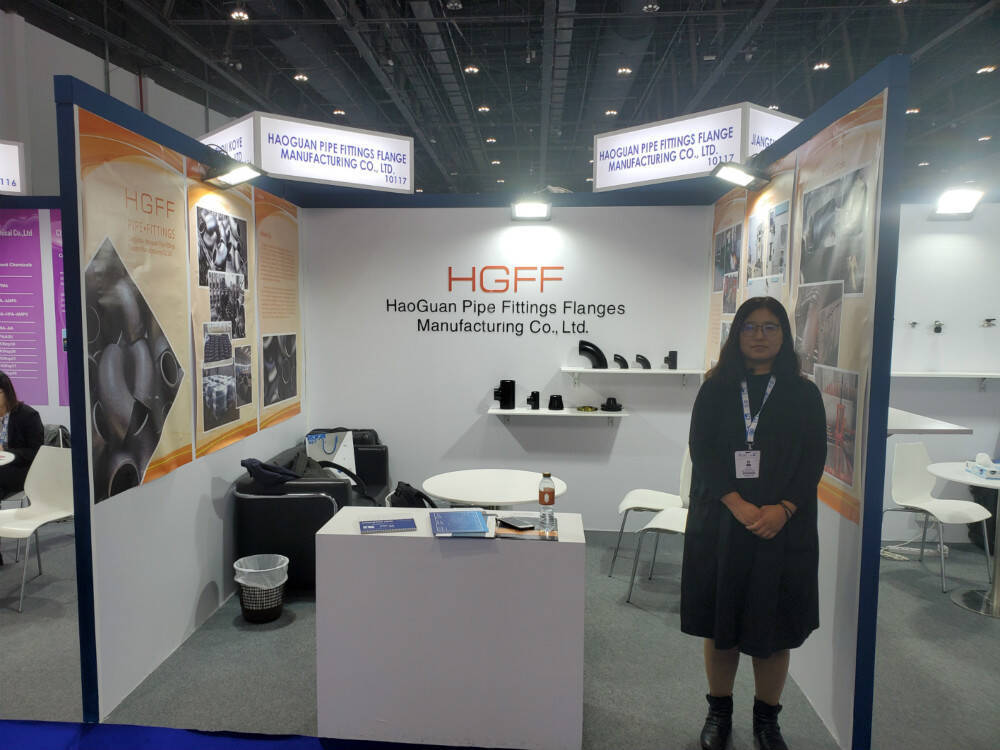
November 11Th-14Th ADIPEC Dubai Exhibiton