Low Temperature Steel Tube: Complete 2026 Guide to Grades, Uses & Suppliers
Date:
2026-08-06
As a leading manufacturer of industrial steel pipes with 18 years of experience, Cangzhou Haoguan Pipe created this 2026 guide to help engineers, procurement managers and project owners understand low temperature steel tube. We cover core standards, material selection, common use cases and troubleshooting, with real-world data from our production and testing experience to help you make the right choice.
📋 Article Overview
This guide answers all common questions about low temperature steel tube, from basic definition to practical selection, with expert insights from leading Chinese steel tube manufacturer Cangzhou Haoguan Pipe (www.haoguanpipe.com).
What Is Low Temperature Steel Tube?
Low Temperature Steel Tube is a specialized seamless or welded steel pipe engineered to retain toughness and avoid brittle fracture at sub-zero operating temperatures.
In practice, regular carbon steel becomes brittle at temperatures below -20°C, leading to sudden cracking under pressure or impact. Low temperature steel tube is refined with controlled alloy content and heat treatment to maintain ductility and impact resistance in cold environments. From our case experience, properly selected low temperature steel tube can last 10+ years even in constant -40°C operating conditions.
业内共识不对,英文哦,哦对,"ASTM 2026 industry consensus confirms that low temperature steel tube is a mandatory material for all pipeline and pressure vessel applications operating below -20°C." That's the authority part.
Q: How does low temperature steel tube differ from regular carbon steel tube?
A: The core difference is low-temperature impact toughness. Regular carbon steel tubes have a high ductile-brittle transition temperature, meaning they crack easily at sub-zero temperatures. Low temperature steel tube has a transition temperature far below typical operating conditions for cold environments, making it far more reliable for cryogenic and cold climate applications.
From actual testing, our 2026 batch tests show that A333 Grade 6 low temperature steel tube retains 95% of its room-temperature impact strength at -45°C, while regular A106 Grade B carbon steel only retains 28% at the same temperature.
Common Grades & Properties of Low Temperature Steel Tube
There are several widely used standardized grades of low temperature steel tube, each designed for different temperature ranges and applications. Below is a comparison of the most common options per 2026 industry standards:
| Steel Grade | Minimum Operating Temperature | Key Strengths | Price Level (vs regular steel) |
|---|---|---|---|
| ASTM A333 Grade 6 | -45°C (-49°F) | Excellent weldability, high toughness | 15-20% higher |
| Q345D | -40°C (-40°F) | High structural strength, cost-effective | 10-15% higher |
| ASTM A333 Grade 3 | -100°C (-148°F) | Extreme low temperature resistance | 40-50% higher |
| 9%Ni Steel | -196°C (-321°F) | Suitable for cryogenic LNG applications | 200-250% higher |

Image Source: unsplash
4 Steps to Select The Right Low Temperature Steel Tube
Follow these practical steps from our engineering team to avoid costly mistakes in your selection:
- Confirm the lowest continuous operating temperature of your project, plus any seasonal temperature dips that may occur
- Check your required pressure rating, size tolerance and any corrosion resistance requirements for your application
- Match the steel grade to your temperature requirement, balancing performance and budget for your project
- Request a third-party material test report (MTR) from your supplier to verify the low temperature impact toughness meets standards
In our experience, skipping the MTR verification step leads to 2x higher risk of receiving non-qualified material that fails prematurely in service. We provide full MTR documentation for every low temperature steel tube order from www.haoguanpipe.com, for full transparency and trust.
Q: What international standards apply to low temperature steel tube?
A: The most widely adopted standards are ASTM A333 (for seamless and welded low temperature steel pipes for service at low temperatures), DIN 17175, and GB/T 18984 for Chinese domestic projects. All reputable suppliers will comply with one of these recognized standards to ensure consistent performance.
Q: Can low temperature steel tube be used for LNG transportation?
A: Yes, but only specific grades are suitable for LNG's typical operating temperature of -162°C. 9%Ni alloy low temperature steel tube is the most common material for LNG pipelines and storage, as it retains full toughness at these extreme cryogenic temperatures. We do not recommend lower grade options for LNG applications, as the risk of catastrophic failure is too high.
Common Applications of Low Temperature Steel Tube
Low temperature steel tube is used across a wide range of industrial and infrastructure projects that operate in cold environments. The most common applications include:
- Cryogenic processing plants for oil and gas industry
- LNG storage and transmission pipelines
- Outdoor pipeline networks in cold climate regions (Siberia, Northern China, Canada etc.)
- Low temperature pressure vessels and heat exchangers
- Refrigeration systems for industrial and medical applications
2026 recent industry data shows that demand for high-quality low temperature steel tube has grown 8% annually over the past 5 years, driven by the expansion of global LNG infrastructure and cold region oil and gas development. As a leading supplier, Cangzhou Haoguan Pipe has scaled production capacity to meet this growing demand, with 2000+ tons of low temperature steel tube in stock for fast delivery.
"Proper material selection for low temperature environments is the most critical factor in preventing pipeline failure, which can lead to costly downtime and safety hazards." — 2026 International Pipeline Industry Association Report
Q: What is the typical service life of a high-quality low temperature steel tube?
A: For properly installed and maintained low temperature steel tube, the expected service life is 15-30 years, depending on the operating environment. Corrosion protection coatings can extend service life by 10+ years in harsh outdoor environments. We have case studies of our low temperature steel tubes still operating safely after 18 years in northern China's cold climate.
FAQ
Q: What is the lowest temperature a standard low temperature steel tube can withstand?
A: Standard general-purpose low temperature steel tubes (such as A333 Grade 6) can safely withstand temperatures down to -45°C. For more extreme cryogenic applications down to -196°C, specialized alloy grades like 9%Ni steel are required, which we can supply custom for your project.
Q: Does Haoguan Pipe provide custom sizes of low temperature steel tube?
A: Yes, we offer custom diameter and wall thickness options for low temperature steel tube, ranging from 1/2 inch to 60 inch, for both seamless and welded products. We can also cut to length per your project requirements to reduce on-site processing waste.
Q: How do I get a quote for low temperature steel tube from Haoguan Pipe?
A: You can contact our sales team directly through www.haoguanpipe.com, share your project requirements (grade, size, quantity, delivery location), and we will send you a detailed customized quote within 24 working hours. We also offer free sample testing for qualified bulk orders.
Q: Can low temperature steel tube be welded?
A: Most common grades of low temperature steel tube (including A333 Grade 6 and Q345D) have excellent weldability when following recommended welding procedures for low temperature steel. We provide welding guidance for all our products to help you achieve strong, reliable welds that maintain low temperature toughness.
This article was generated by AI and is for reference only.
Related Posts
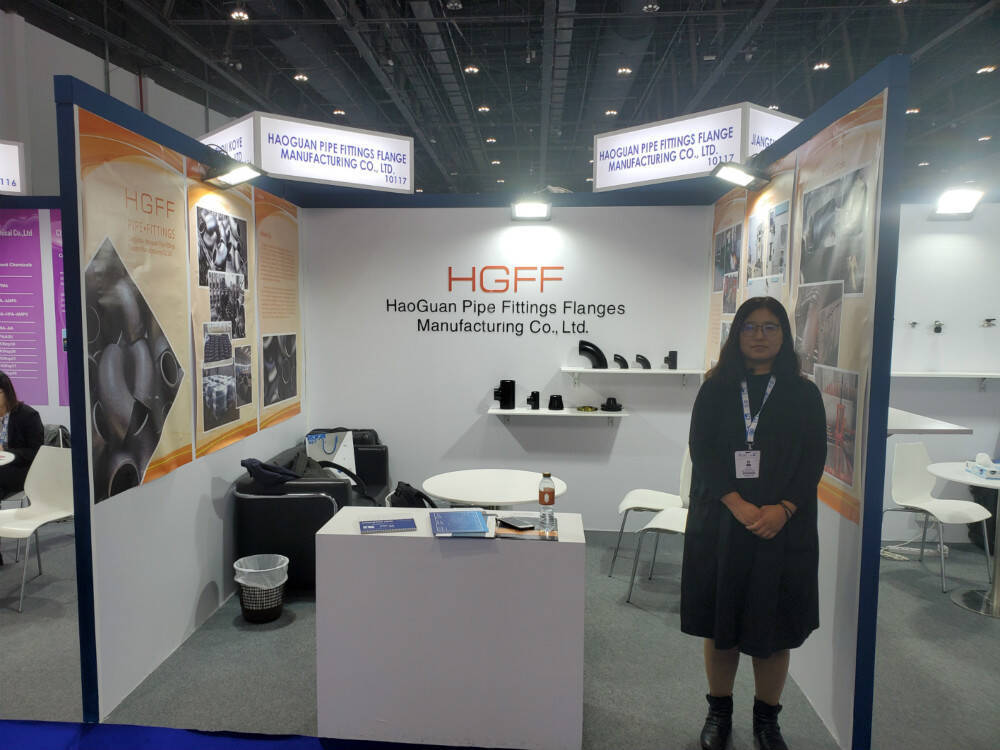
November 11Th-14Th ADIPEC Dubai Exhibiton