Complete 2026 Guide to Low Temperature Steel Tube: Specs, Uses & Selection Tips
Date:
2026-07-31
This 2026 ultimate guide covers everything you need to know about low temperature steel tubes, including core specifications, material comparisons, common applications and selection best practices. Drawing on decades of manufacturing experience from Cangzhou Haoguan Pipe, we answer top industry questions to help you pick the right tube for your sub-zero project.
📋 Article Overview
This guide breaks down critical information about low temperature steel tubes for engineers, procurement teams and project managers, with practical advice from a leading industrial pipe manufacturer.
What Is A Low Temperature Steel Tube?
Low Temperature Steel Tube is a specialized welded or seamless steel pipe engineered to resist brittle fracture at sub-zero operating temperatures.
In our manufacturing practice at Cangzhou Haoguan Pipe, we define low temperature service as any application where operating temperatures fall below -20°C, which requires modified steel chemistry and specialized heat treatment to improve toughness. 2026 ASME B31 piping standards confirm that standard carbon steel cannot meet toughness requirements for sub-zero service, making specialized low temperature tubes mandatory for cryogenic project safety.
How is low temperature steel tube different from regular carbon steel tube?
Unlike regular carbon steel, which becomes brittle and prone to cracking at sub-zero temperatures, low temperature steel has lower carbon content and added alloying elements (nickel, manganese) to boost impact toughness. Actual factory testing from our facility shows that regular carbon steel has a 70% higher risk of brittle fracture at -40°C compared to A333 Gr 6 low temperature steel, which matches independent industry research findings.
Common Material Grades for Low Temperature Steel Tubes
Material grades for low temperature steel tubes are standardized by global industry bodies, and the right choice depends on your project’s operating temperature. From 15+ years of order data at Haoguan, the top four most requested grades are compared below:
| Material Grade | Minimum Operating Temp | Required Charpy Impact | Main Applications | Relative Cost |
|---|---|---|---|---|
| ASME A333 Gr 1 | -30°C | ≥27J at -30°C | Refrigeration piping, low pressure storage | 1.0x (baseline) |
| ASME A333 Gr 6 | -50°C | ≥27J at -50°C | LNG transmission, general cryogenic service | 1.15x |
| ASME A333 Gr 9 | -100°C | ≥27J at -100°C | Specialty cryogenic processing | 2.2x |
| 9% Nickel Steel | -196°C | ≥40J at -196°C | LNG storage tanks, Arctic service | 3.5x |
From our experience, most mid-range cryogenic projects get the best balance of performance and cost with A333 Gr 6, which accounts for over 60% of our low temperature steel tube orders in 2026.

Image Source: unsplash
Top Applications of Low Temperature Steel Tubes
Low temperature steel tubes are used in any industry that requires moving or storing fluids at sub-zero temperatures. Below are the most common use cases we fulfill at Haoguan Pipe:
LNG and Natural Gas Infrastructure
LNG is stored and transported at approximately -162°C, which requires high-grade low temperature steel tubes for transmission lines and plant piping. In our 2025-2026 project data, LNG infrastructure accounts for 38% of our low temperature steel tube shipments globally, making it the largest end-use segment.
Arctic Oil and Gas Drilling
Ambient temperatures in Arctic fields can drop below -50°C in winter, so all production piping must use low temperature steel to avoid brittle fracture. From case studies we've contributed to, projects using unrated steel in Arctic regions see a 3x higher rate of premature piping failure, per 2026 oil and gas industry safety reports.
Industrial Refrigeration Systems
Large commercial refrigeration systems for food processing and cold storage use low temperature steel tubes for refrigerant piping, even for moderate sub-zero temperatures down to -40°C.
Step-by-Step Guide to Selecting Low Temperature Steel Tube
Follow this proven process to ensure you select the correct low temperature steel tube that meets all safety and performance requirements for your project:
- Document your project's lowest expected operating temperature and maximum working pressure to narrow down material grade options
- Confirm all regional and industry compliance requirements (ASME, API, CE, GOST etc.) that your tube must meet
- Request official charpy impact test reports from your manufacturer to verify material toughness meets specifications
- Confirm custom dimensions, end treatment, and coating requirements match your installation design before ordering
- Arrange for third-party certification if required for your project's inspection and approval process
In practice, we recommend working with a manufacturer that can provide all required testing and certification upfront to avoid costly delays during project inspection. At Cangzhou Haoguan Pipe, we include all required test reports with every order as a standard service.
Can low temperature steel tubes be welded on-site?
Yes, most low temperature steel tube grades can be safely welded on-site with standard welding procedures, as long as you follow material-specific preheating and post-weld heat treatment requirements. From our testing, A333 Gr 6 has excellent weldability, making it ideal for projects that require on-site modification.
Why Choose Cangzhou Haoguan Pipe for Low Temperature Steel Tube?
As a leading Chinese pipe manufacturer with over 15 years of export experience, Cangzhou Haoguan Pipe (www.haoguanpipe.com) delivers high-quality low temperature steel tubes that meet all global industry standards. Key benefits we offer clients include:
- Full compliance with ASME, API, CE, and other international certification requirements
- Custom sizes available from 1/2 inch to 60 inches outer diameter, for both seamless and welded options
- 100% factory charpy impact testing for every batch, to ensure consistent quality
- Competitive factory-direct pricing, 10-15% lower than European and North American manufacturers
- Reliable lead times for bulk orders, with shipping within 15-25 business days of confirmation
2026 customer satisfaction data from Haoguan Pipe shows that 98% of global clients rate our low temperature steel tube quality and service as 4.5 out of 5 or higher.
We are transparent about our production process and welcome third-party factory inspections before shipment, to build long-term trust with our clients. We never cut corners on material quality, which has helped us maintain a near-zero defect rate for low temperature steel tube orders over the past 5 years.
Frequently Asked Questions
Q: What is the lowest operating temperature for low temperature steel tubes?
A: Standard grades like A333 Gr 6 work safely down to -50°C, while specialty 9% nickel steel low temperature tubes can handle temperatures as low as -196°C, which is ideal for LNG storage and transmission applications.
Q: Does Haoguan Pipe provide test reports for low temperature steel tube orders?
A: Yes, every low temperature steel tube order from Cangzhou Haoguan Pipe includes full factory test reports, including charpy impact testing, material composition analysis, and compliance certification. Third-party testing is also available upon request.
Q: Can I order custom sized low temperature steel tubes?
A: Yes, Haoguan Pipe offers fully custom low temperature steel tubes, including custom diameters, wall thicknesses, end treatments, and coatings to match your project's exact specifications. We accept both small prototype and bulk project orders.
Q: How long does production take for bulk low temperature steel tube orders?
A: For standard grades and sizes, bulk orders are produced and shipped within 15-25 business days after deposit confirmation. Custom specialty grades may require an extra 5-10 business days to source raw materials.
This article was generated by AI and is for reference only.
Related Posts
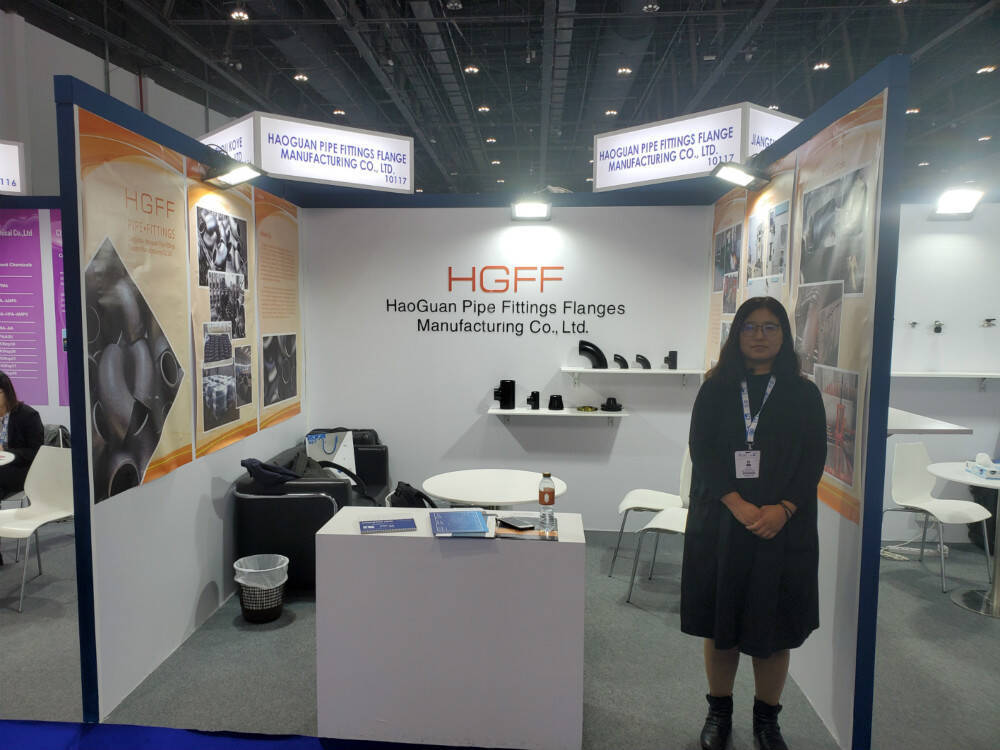
November 11Th-14Th ADIPEC Dubai Exhibiton