Essential Tips for Handling Steel Pipes Safely
Date:
2026-04-02
Discover key precautions for working with steel pipes in various projects.

Image Source: unsplash
Introduction
When it comes to construction and infrastructure, steel pipes are a staple. They're durable, versatile, and can withstand a lot of pressure. But, just like any other material, there are some things you need to keep in mind while handling them. Let's dive into the essential tips!
Know Your Steel Pipes
First off, it's vital to understand what type of steel pipes you're working with. There are various grades and sizes, each serving different purposes. Whether you're dealing with thin-walled or thick-walled pipes, knowing their specifications can save you a headache later on.
Safety Gear is a Must!
Whoa! Before you even think about lifting those heavy steel pipes, make sure you're equipped with the right safety gear. Hard hats, gloves, and steel-toed boots should be your best friends on-site. Trust me, you don't want to be caught without them.
Proper Lifting Techniques
Speaking of lifting, let's talk about technique. Always lift with your legs, not your back. It's a simple rule, but oh-so-effective in preventing injuries. If a steel pipe is too heavy for you to lift alone, don't hesitate to ask for help or use equipment like forklifts. Safety first, always!
Inspect Before You Use
Before you start working with any steel pipes, give them a thorough inspection. Look for any signs of rust, dents, or deformities. If you notice something off, don't use that pipe. It could lead to failures down the line, and nobody wants that!
Store Them Properly
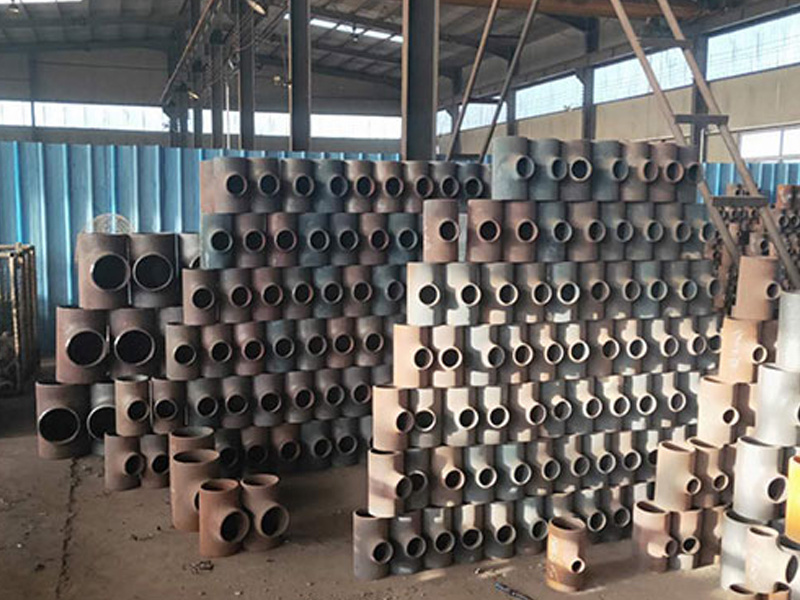
How you store your steel pipes can make a world of difference. Keep them in a dry, flat area to prevent bending or warping. Stack them neatly, and if they're long pipes, consider using supports to avoid sagging. A little organization goes a long way!
Avoid Corrosion
Corrosion is the enemy of steel pipes, and it can sneak up on you if you're not careful. To combat this, consider applying a protective coating or using corrosion-resistant pipe options where applicable. It's a small step that can yield significant benefits in the long run.
Be Mindful of Temperature Changes
Temperature fluctuations can affect the integrity of steel pipes. When it gets cold, steel contracts; when it warms up, it expands. This movement can lead to stress and potential failures, so keep an eye on the weather and plan your projects accordingly.
Follow Regulations
Last but not least, always adhere to local regulations and safety standards when working with steel pipes. These guidelines are there for a reason—your safety and the longevity of the materials. Skipping these can lead to serious consequences!
Conclusion
In summary, while steel pipes are a crucial component in many projects, handling them safely and effectively is key. Keep these tips in mind, and you'll not only ensure a smoother workflow but also maintain a safe working environment. Happy piping!
Related Posts

November 11Th-14Th ADIPEC Dubai Exhibiton