Understanding the Functionality of Steel Pipes in Modern Applications
Date:
2026-03-18
Explore the workings of steel pipes and their essential role in various industries.

Image Source: unsplash
Introduction to Steel Pipes
Hey there! If you've ever wondered about the backbone of many industrial applications, look no further than steel pipes. These sturdy tubes are more than just metal; they're essential for transporting liquids and gases, providing structural support, and much more. Let's dive into the mechanics behind these marvels!
What Are Steel Pipes?
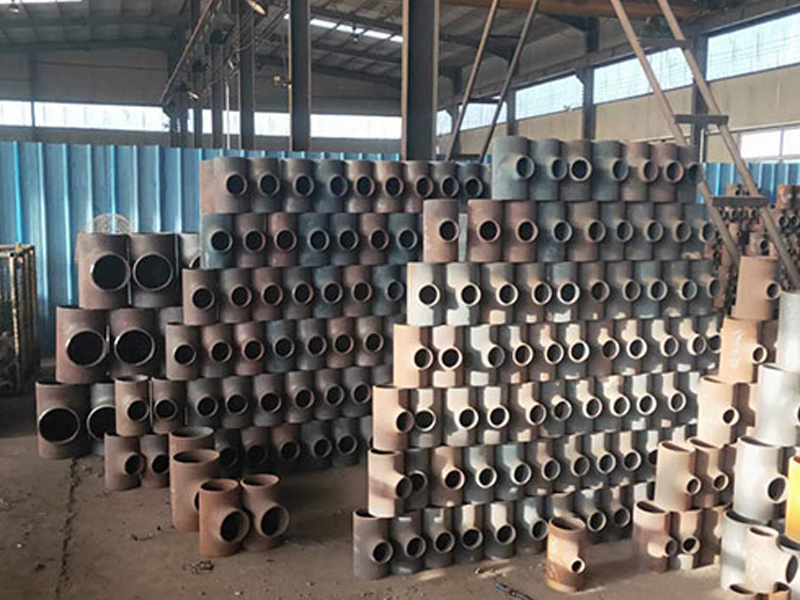
So, what exactly are steel pipes? Well, they're cylindrical tubes made from steel that come in various sizes and thicknesses. Their primary function is to transport materials—think water, oil, natural gas, and even chemicals. They're crucial for everything from plumbing to construction, making them a staple in many industries.
The Working Principle of Steel Pipes
Alright, let's get into the nitty-gritty. The working principle of steel pipes revolves around their ability to withstand high pressure and resist corrosion. This is achieved through a combination of the pipe's material properties and its design.
Material Strength
First off, steel is known for its strength and durability. When it comes to transporting substances, you want something that won't buckle under pressure. Steel pipes are often treated with coatings to prevent rust and corrosion, ensuring they last longer and function effectively.
Design Considerations
Now, let's talk design. The diameter and thickness of a pipe significantly influence its capacity and pressure handling. Larger pipes can carry more fluid, while thicker walls can handle higher pressures. Engineers meticulously calculate these dimensions to ensure safety and efficiency.
Applications of Steel Pipes
From oil rigs to skyscrapers, steel pipes are everywhere! Here are a few key applications:
- Construction: Steel pipes provide structural integrity for buildings and bridges.
- Oil and Gas: They transport crude oil and natural gas from extraction sites to processing facilities.
- Water Supply: Steel pipes are used in municipal water systems to deliver fresh water to homes.
- Manufacturing: Many industries rely on steel pipes for HVAC systems, chemical processing, and more.
Why Choose Steel Pipes?
Now, you might be asking yourself, “Why should I opt for steel pipes?” Well, here are a couple of reasons:
- Durability: They can withstand extreme temperatures and pressures.
- Cost-Effective: Given their longevity, they often prove to be a wise investment in the long run.
- Versatility: Steel pipes can be used in a multitude of applications, making them a go-to choice for many industries.
Conclusion
In summary, steel pipes are pivotal in numerous sectors. Their unique properties and design principles make them indispensable for transporting materials and supporting structures. Next time you see a construction site or a pipeline, you'll appreciate the engineering marvel that is a steel pipe!
Related Posts

November 11Th-14Th ADIPEC Dubai Exhibiton