The Essential Guide to Flanges: What You Need to Know
Date:
2026-03-06
Explore the world of flanges, their types, applications, and significance in various industries.

Image Source: unsplash
Understanding Flanges: The Basics
Hey there! So, you've probably come across the term flanges before, right? These handy components play a crucial role in connecting pipes, valves, and other equipment in various industries. But what exactly are they? Let's dive into the nitty-gritty!
What Are Flanges?
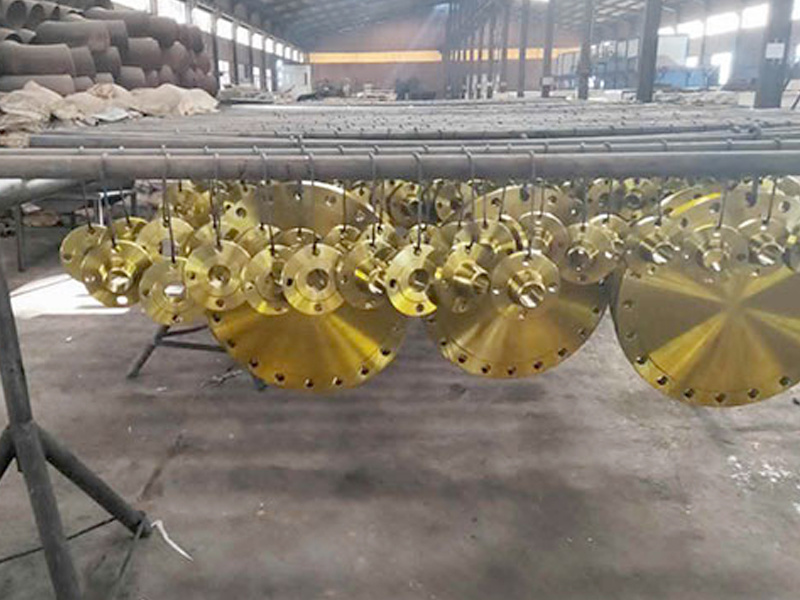
In simple terms, flanges are flat pieces of metal that help join two sections of piping together. They come with holes for bolts, allowing for a secure fit. Think of them as the unsung heroes in the world of manufacturing and construction!
Types of Flanges: A Quick Rundown
Now, let's get into the different types of flanges you might encounter:
- Weld Neck Flanges: These are a favorite among engineers because they provide a strong connection through welding.
- Slip-On Flanges: Easy to install, these flanges slip over the pipe's end and are then welded in place.
- Blind Flanges: Used to seal the end of a pipe, they're perfect for maintenance and inspection purposes.
- Socket Weld Flanges: Ideal for small-diameter pipes, these flanges offer a smooth flow and high pressure tolerance.
Why Are Flanges Important?
Flanges are not just any old fittings; they are vital for ensuring the integrity and safety of piping systems. Whether in oil and gas, water treatment, or chemical manufacturing, the right flange can make all the difference. By providing a secure connection, they help prevent leaks and ensure that everything runs smoothly.
Applications of Flanges
Flanges can be found in a myriad of applications. Here are a few notable ones:
- Oil and Gas Industry: They are essential in pipelines that transport crude oil and natural gas.
- Water Supply Systems: Flanges are used to connect pipes in municipal water systems.
- Pulp and Paper Industry: In this sector, flanges help manage the flow of various chemicals.
Choosing the Right Flange
When it comes to selecting flanges, it's not a one-size-fits-all scenario. You need to consider factors like pressure ratings, material compatibility, and the specific application. For instance, using stainless steel flanges in corrosive environments can prevent premature failure. So, always choose wisely!
The Future of Flanges
As industries evolve, so does the technology behind flanges. With advancements in materials and manufacturing processes, flanges are becoming more durable and efficient. This means fewer leaks, lower maintenance costs, and enhanced safety for everyone involved.
Final Thoughts
In conclusion, flanges are much more than simple metal disks. They're integral components that ensure systems operate seamlessly. Whether you're in construction, manufacturing, or any other field, understanding flanges can save you time, money, and headaches down the road. So, the next time you hear someone talking about flanges, you'll know exactly what they're on about!
Related Posts

November 11Th-14Th ADIPEC Dubai Exhibiton