The Essential Guide to Pipe Connectors: Understanding Their Role
Date:
2026-02-04
Explore the world of pipe fittings and their importance in various applications. Learn more!

Image Source: unsplash
Introduction to Pipe Connectors
So, you've heard the term pipe fittings thrown around, right? They seem to pop up everywhere when discussing plumbing or construction. But what exactly are they, and why are they so crucial? Let's dive in and unravel the mysteries of these unsung heroes of the piping world!
What Are Pipe Connectors?
In simple terms, pipe fittings are the components used to connect, terminate, or change the direction of piping systems. They come in various shapes and sizes—think elbows, tees, couplings, and reducers. Each type plays a unique role in ensuring that fluids or gases flow smoothly through pipes.
Why Are They Important?
Now, you might be wondering, why should I care about pipe fittings? Well, picture this: without the right fittings, your water supply could spring a leak, or your heating system might not work efficiently. These fittings help maintain pressure, control flow, and prevent leaks. In short, they keep everything running like a well-oiled machine!
Types of Pipe Connectors You Should Know
Let's break it down a bit. Here are some common types of pipe fittings:
- Elbows: Used to change the direction of a pipe, typically at a 90 or 45-degree angle.
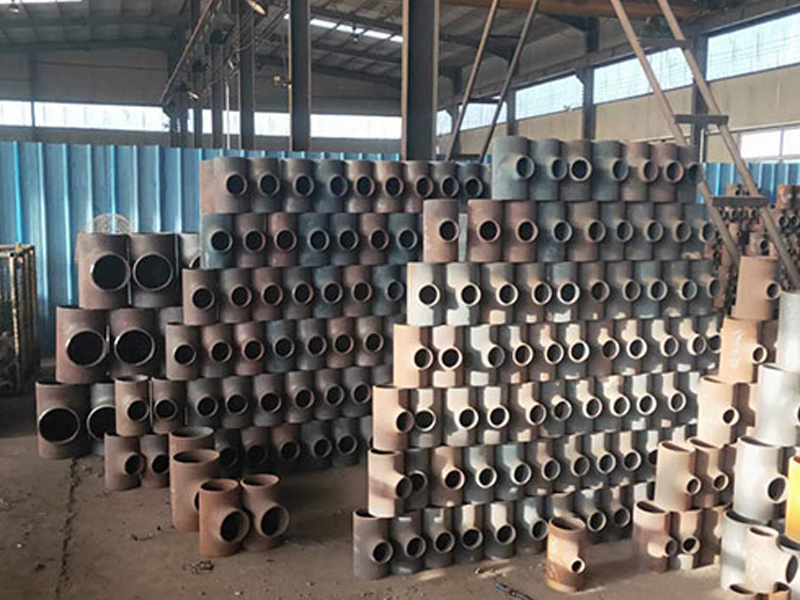
- Tees: Allow for branching in a piping system, connecting three pipes together.
- Couplings: Connect two sections of pipe, ensuring a tight seal.
- Reducers: Change the diameter of the pipe, allowing for a smooth transition between sizes.
Choosing the Right Material
When it comes to pipe fittings, the material is just as crucial as the type. You'll find fittings made from plastic, copper, stainless steel, and more. Each material has its pros and cons:
- Plastic: Lightweight and resistant to corrosion, but may not withstand high temperatures.
- Copper: Durable and excellent for heat transfer, but can be pricey.
- Stainless Steel: Offers great strength and corrosion resistance, ideal for industrial use.
Installation Tips
Alright, so you've got your pipe fittings—what's next? Installation! Here are a few tips to ensure a successful setup:
- Measure Twice, Cut Once: Accurate measurements save time and materials.
- Use the Right Tools: A pipe cutter, wrench, and sealant can go a long way.
- Check for Leaks: After installation, always run a test to ensure everything's sealed properly.
Conclusion
To wrap it up, pipe fittings are more than just simple connectors—they're vital components that ensure the smooth operation of piping systems. Whether you're a DIY enthusiast or a seasoned pro, knowing the ins and outs of these fittings can save you time, effort, and money in the long run. So the next time you hear someone mention these nifty components, you'll be in the know!
Related Posts

November 11Th-14Th ADIPEC Dubai Exhibiton