Understanding the Mechanics of Pipe Fittings
Date:
2026-01-17
Dive into the fascinating world of pipe fittings and discover how they work in various applications.

Image Source: unsplash
Introduction to Pipe Fittings
Ever wondered how those seemingly simple connections in plumbing systems manage to keep everything flowing smoothly? Well, you're in for a treat! Pipe fittings are the unsung heroes of piping systems, allowing fluid dynamics to function efficiently. In this article, we'll explore the workings and significance of these essential components. So, grab a cup of coffee, and let's dive right in!
What are Pipe Fittings?
Pipe fittings are specialized components used to connect, terminate, or change the direction of pipes. They come in various shapes, sizes, and materials, each designed to handle specific tasks within a plumbing or piping system. From elbows to tees, these fittings ensure that systems function without leaks or blockages, making them crucial for both residential and industrial applications.
Types of Pipe Fittings
Let's take a look at some common types of pipe fittings:
- Elbows: These fittings allow for directional changes, typically at 45 or 90 degrees. They're perfect for navigating around obstacles.
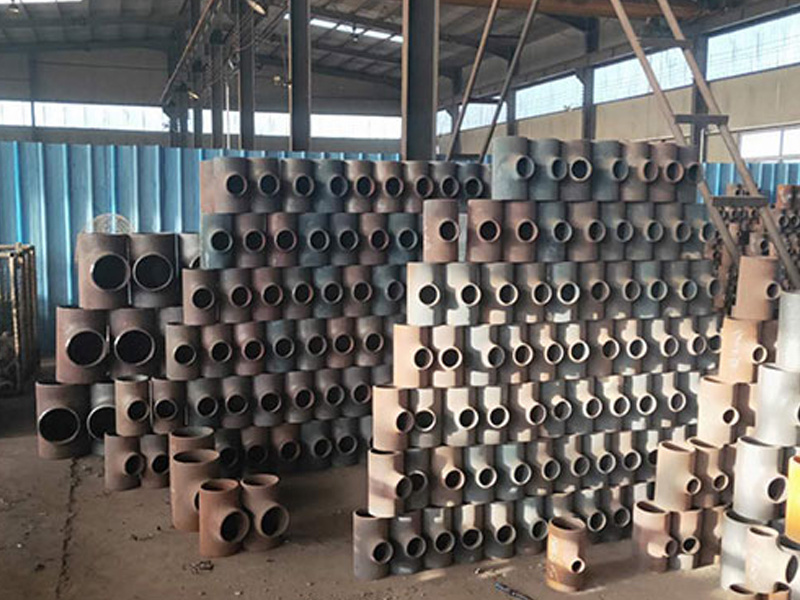
- Tees: As the name suggests, these fittings create a branch in the pipeline, allowing for multiple directions of flow.
- Couplings: Used to connect two pipes of the same diameter, couplings are essential for extending a pipeline.
- Adapters: These fittings allow for the connection of pipes of different sizes or types.
- Caps and Plugs: Used to seal the ends of pipes, preventing fluid from escaping.
How Do Pipe Fittings Work?
Now that we know what pipe fittings are, let's get into their working principles! Imagine a busy highway where cars need to take different exits. Pipe fittings function similarly by directing fluid flow through various paths.
When a fluid moves through a pipe, it encounters changes in pressure and flow rate. Pipe fittings are designed to manage these changes effectively. For instance, an elbow fitting can redirect flow without creating turbulence, while a tee fitting allows for a smooth split in the direction of the fluid.
Furthermore, the materials used for these fittings—such as PVC, copper, or stainless steel—play a critical role in their performance. Each material has its own set of properties that determine how well it can withstand pressure, temperature, and chemical exposure. For example, PVC fittings are great for drainage systems, while copper fittings are often used in water supply lines.
Importance of Quality in Pipe Fittings
Choosing the right pipe fittings is vital! Poor-quality fittings can lead to leaks, bursts, or even catastrophic failures in a system. It's always best to opt for reliable sources when selecting these components. You wouldn't want to compromise on something as crucial as your plumbing, would you? Quality fittings not only ensure safety but also enhance the longevity of the entire system.
Conclusion
In a nutshell, pipe fittings are fundamental to the smooth operation of fluid systems. Their ability to connect, redirect, and seal pipes makes them indispensable in various applications. Understanding their types and functions can help you make informed decisions whether you're a DIY enthusiast or a professional. So next time you turn on your tap or watch water flow through pipes, remember the small but mighty pipe fittings working behind the scenes!
Related Posts

November 11Th-14Th ADIPEC Dubai Exhibiton