The Ins and Outs of Pipe Fittings: A Comprehensive Guide
Date:
2026-01-11
Explore the essential world of pipe fittings, their types, uses, and why they matter in plumbing and construction.
Understanding Pipe Fittings: The Basics
Pipe fittings might not be the star of the show, but let me tell ya, they play a crucial role in plumbing and construction! These nifty little components connect various sections of piping, allowing fluid to flow smoothly from one place to another. Without them, well, we'd be in quite the pickle!
Types of Pipe Fittings
Now, let's dig a little deeper into the world of pipe fittings. You might be surprised to find out that there are several types, each serving a specific purpose. Here are a few of the most common:
- Elbows: These bendy fittings allow pipes to change direction, typically at 90 or 45 degrees. Think of them as the corner-turners of the plumbing world!
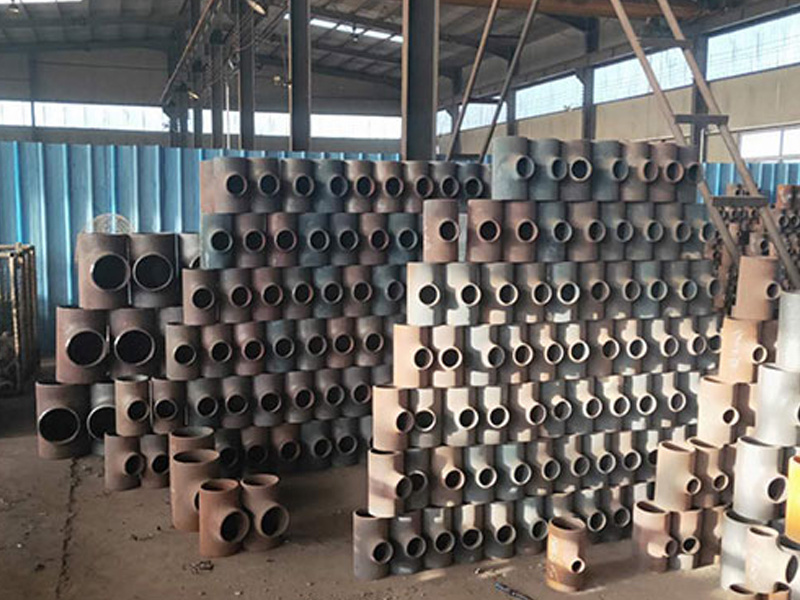
- Tees: Shaped like the letter T, these fittings help split a flow into two directions. They're the multitaskers of pipe fittings.
- Reducers: Want to connect pipes of different diameters? Reducers are your go-to! They smoothly transition from one size to another, ensuring no leaks occur.
- Couplings: These are used to join two pipes together. Simple yet effective, couplings are the glue that holds everything in place.
Materials Matter
Pipe fittings come in various materials, each with its pros and cons. From PVC to copper, the choice often depends on the application and the environment. For instance:
- PVC: Lightweight and affordable, PVC fittings are perfect for water drainage systems.
- Copper: Known for its durability and corrosion resistance, copper fittings are often used in high-pressure applications.
- Stainless Steel: These fittings are tough and resistant to rust, making them ideal for both residential and commercial use.
Why Are Pipe Fittings Important?
So, why should you care about pipe fittings? Well, it's simple—without them, your plumbing system would be a chaotic mess! Here are a few reasons why they matter:
- Efficiency: Properly installed pipe fittings ensure that everything flows smoothly, reducing the risk of clogs or leaks.
- Safety: Using the right fittings can prevent dangerous situations, like burst pipes or hazardous leaks.
- Cost-Effective: Investing in quality fittings can save you money in the long run by reducing maintenance and repairs.
Installation Tips and Tricks
Feeling handy? Installing pipe fittings isn't rocket science, but it does require some know-how. Here are a few tips to help you out:
- Measure Twice, Cut Once: Always double-check your measurements before cutting pipes. Trust me, it saves a ton of headaches!
- Use the Right Tools: A good pipe wrench and a pipe cutter will make your job much easier.
- Seal the Deal: Don't forget to use sealant or tape on threaded connections to prevent leaks.
Conclusion
In the grand scheme of plumbing and construction, pipe fittings are the unsung heroes that keep everything flowing smoothly. Whether you're a seasoned pro or a DIY newbie, understanding the ins and outs of these crucial components is vital. So the next time you turn on the tap or flush the toilet, take a moment to appreciate the humble pipe fitting that makes it all possible!
Related Posts

November 11Th-14Th ADIPEC Dubai Exhibiton