Flanges: The Unsung Heroes of Modern Engineering
Date:
2025-10-19
Discover the vital role of flanges in construction and manufacturing. Learn about types, uses, and benefits.
Understanding Flanges
When we talk about construction and manufacturing, we often overlook the small but mighty components that hold everything together—flanges! These circular, flat pieces of metal play a crucial role in connecting pipes, valves, pumps, and other equipment. But what exactly are flanges, and why should we care? Let's dive in!
What Are Flanges?
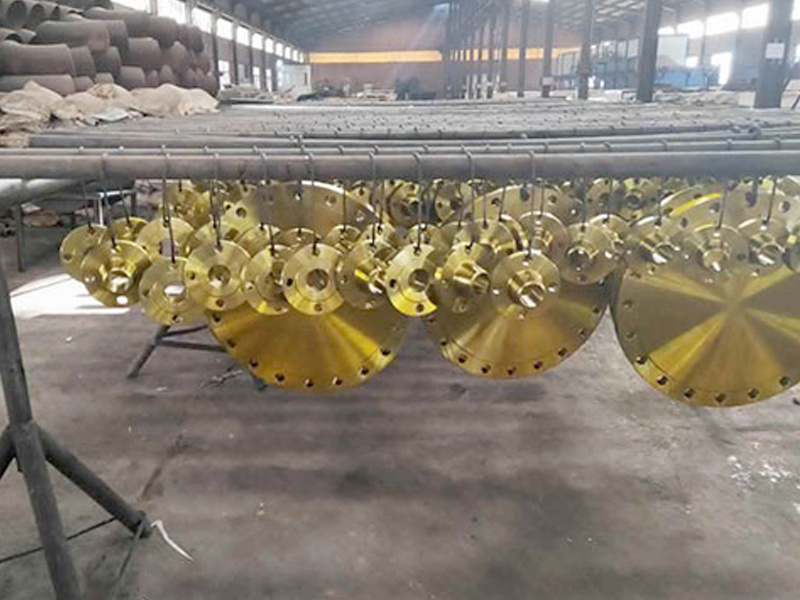
Simply put, flanges are mechanical components used to join two parts together, usually in piping systems. Think of them as the connectors in a puzzle, ensuring every piece fits snugly. They come in various shapes and sizes, tailored for different applications. The most common materials for flanges include steel, stainless steel, plastic, and even brass. Their versatility is what makes them so essential in industrial settings.
Types of Flanges: A Quick Rundown
Hold onto your hard hats! Because we're about to take a whirlwind tour through the different types of flanges:
- Weld Neck Flanges: These bad boys are perfect for high-pressure systems. Their long neck allows for a smooth transition from the pipe to the flange, reducing stress.
- Slip-On Flanges: Easy to install and budget-friendly, slip-on flanges are great for lower-pressure applications. Just slide them onto the pipe and weld!
- Blind Flanges: Ever wanted to seal off a pipe? Blind flanges do just that! They're solid discs that cover the end of a pipe, preventing any leaks.
- Socket Weld Flanges: These are designed for small-diameter pipes. The pipe fits into a socket on the flange, then it's welded in place for a secure connection.
Why Flanges Matter
Now, you might be wondering, “What's the big deal about flanges?” Well, let me tell you! They provide a multitude of benefits:
- Strength: Flanges enhance the strength of the joint, making it more reliable under pressure.
- Ease of Maintenance: If something goes awry, flanges allow for easy disassembly, making repairs a breeze.
- Versatility: Whether you're working with water, gas, or corrosive materials, there's a flange designed for the job.
- Cost-Effectiveness: With proper installation, flanges can significantly reduce the long-term costs associated with leaks and maintenance.
Selecting the Right Flange
Choosing the right flange can feel like finding a needle in a haystack. But don't sweat it! Here are some tips to guide your selection:
- Know Your Pressure Needs: Determine the pressure requirements of your system and select a flange rated for that pressure.
- Material Matters: Consider the materials you'll be working with. For corrosive environments, stainless steel or plastic flanges might be your best bet.
- Consult the Experts: It's always a good idea to consult with engineers or suppliers who can provide valuable insights based on your specific needs.
Conclusion: Flanges in Action
In summary, flanges are more than just simple connectors; they're the unsung heroes of the engineering world. From construction sites to manufacturing plants, they ensure that everything runs smoothly and safely. So, the next time you see a flange, give it a little nod of appreciation—it's doing a lot of heavy lifting behind the scenes!
Final Thoughts
Whether you're a seasoned engineer or just stepping into the world of construction, understanding flanges is essential. They are fundamental to the integrity and functionality of any piping system. So, keep exploring, keep learning, and remember: flanges are your friends!
Related Posts

November 11Th-14Th ADIPEC Dubai Exhibiton