Unlocking the Secrets of Pipe Fittings: A Deep Dive into Industry Solutions
Date:
2025-10-01
Explore the world of pipe fittings, their significance in various industries, and how they contribute to effective solutions.
Understanding Pipe Fittings
Let's face it: pipe fittings might not be the most glamorous topic out there. However, these essential components play a crucial role in countless industries. From plumbing to manufacturing, understanding pipe fittings is vital for anyone looking to dive into the world of engineering solutions.
What Are Pipe Fittings?
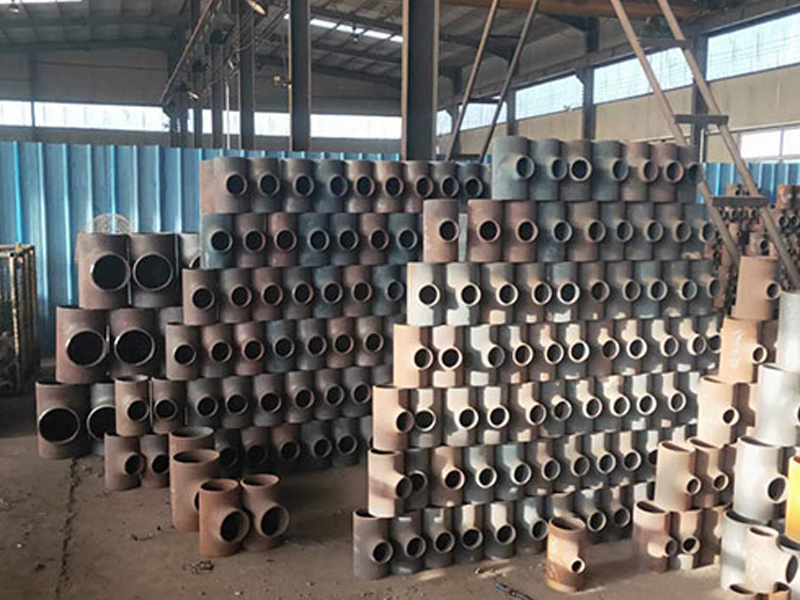
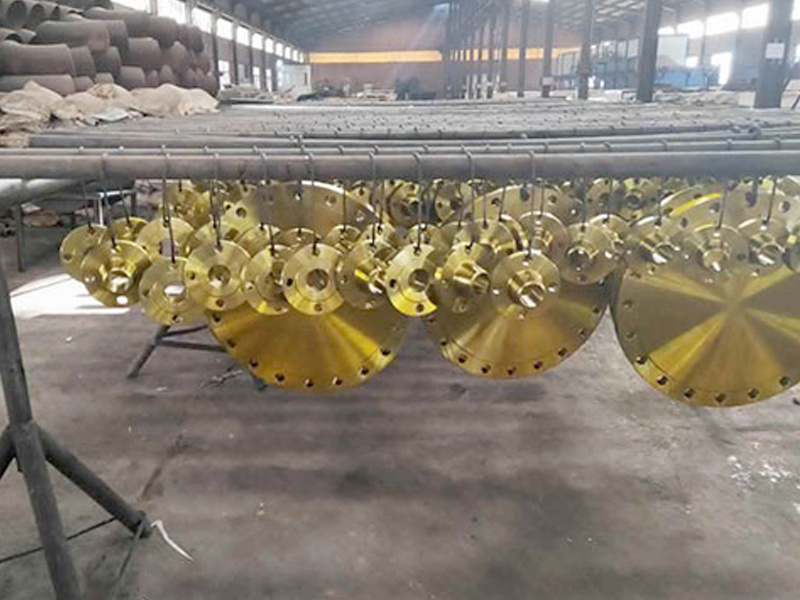
So, what exactly are pipe fittings? Simply put, they are the components used to connect, terminate, or change the direction of piping in various systems. Think of them as the glue that holds everything together in plumbing, HVAC, and industrial processes. They come in all shapes and sizes—tees, elbows, couplings, and more—making them versatile tools in the hands of engineers and technicians alike.
Why Are Pipe Fittings Important?
Pipe fittings are the unsung heroes of many systems. Without them, you'd find yourself with a whole lot of disconnected pipes and a major headache. They ensure fluid flow is efficient, safe, and reliable. Imagine trying to run a factory or even a simple home plumbing system without proper connections—yikes! The right fittings can save time, reduce costs, and prevent leaks, making them a top priority in any project.
Types of Pipe Fittings
Alright, let's get into the nitty-gritty. Here's a rundown of some common types of pipe fittings:
- Elbows: These bad boys change the direction of the flow, usually at 90 or 45 degrees.
- Tees: Perfect for branching off, tees allow fluid to flow in multiple directions.
- Couplings: Used to connect two pipes together, couplings are essential for extending pipe lengths.
- Adapters: These fittings help connect pipes of different sizes or materials.
Materials Matter
Pipe fittings come in a variety of materials, each suited for specific applications. For instance, PVC is great for residential plumbing, while stainless steel is often used in industrial settings due to its durability and resistance to corrosion. Choosing the right material can mean the difference between a long-lasting installation and a costly failure.
Choosing the Right Pipe Fittings for Your Project
Now that you're armed with some basic knowledge, how do you go about selecting the right pipe fittings for your needs? Here are a few tips:
- Assess Your Needs: Understand the requirements of your project—what type of fluids will be flowing? What pressure levels are expected?
- Consider Compatibility: Make sure your fittings are compatible with the pipes you're using. Mismatched materials can lead to leaks or even catastrophic failures.
- Get Professional Advice: Don't hesitate to consult with a professional. Sometimes, a second opinion can save you a ton of headaches down the line.
Innovations in Pipe Fittings
As technology advances, so do the designs and materials used in pipe fittings. New innovations are leading to more efficient and sustainable solutions, such as fittings that reduce pressure drops and improve flow rates. Keep an eye out for these developments, as they can greatly enhance your projects.
Conclusion: The Backbone of Industry Solutions
In conclusion, pipe fittings might not steal the spotlight, but they are undeniably the backbone of many industry solutions. By understanding their various types, materials, and applications, you can ensure that your systems function smoothly and efficiently. So next time you think about pipe fittings, remember: they're not just pieces of metal or plastic; they're the key to connecting your world.
Related Posts

November 11Th-14Th ADIPEC Dubai Exhibiton